Top Nonprofit Insurance Providers US: Protect Your Mission
nonprofit insurance providers US

Top Nonprofit Insurance Providers US: Protect Your Mission

Find the perfect insurance partner to shield your nonprofit from risks, ensuring your impact continues uninterrupted.

Explore Your Options

Key Takeaways

  • ✓ Nonprofits face unique risks requiring specialized insurance coverage.
  • ✓ Directors & Officers (D&O) liability is crucial for nonprofit leaders.
  • ✓ Many providers offer tailored packages, not just standard commercial policies.
  • ✓ Understanding your mission's specific vulnerabilities is key to choosing the right policy.

How It Works

1
Assess Your Nonprofit's Unique Risks

Before seeking quotes, identify your organization's specific activities, assets, and potential liabilities. This initial assessment forms the bedrock of your insurance strategy.

2
Research Specialized Nonprofit Insurance Providers

Focus on providers with a proven track record and deep understanding of the nonprofit sector. General commercial insurers may not offer the nuanced coverage required for mission-driven organizations.

3
Request & Compare Tailored Quotes

Contact multiple recommended providers to obtain customized proposals. Don't just compare premiums; scrutinize coverage limits, deductibles, exclusions, and endorsements.

4
Finalize Policy & Implement Risk Management

Once you select a provider, finalize your policy and integrate insurance into your broader risk management plan. Regularly review your coverage as your nonprofit evolves.

Understanding the Unique Landscape of Nonprofit Insurance Needs
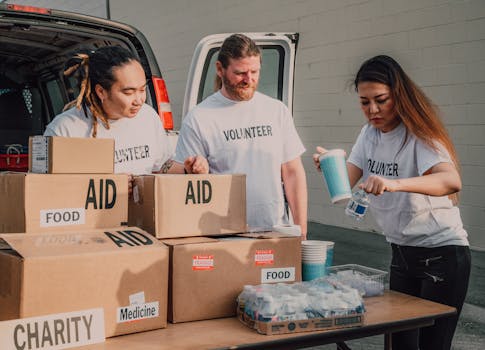
Volunteers sort aid and food boxes for a charity drive, promoting togetherness and social good. Photo: RDNE Stock project / Pexels
Operating a nonprofit organization in the US is a noble endeavor, but it comes with a complex array of risks that differ significantly from those faced by for-profit businesses. Unlike commercial entities, nonprofits often rely heavily on volunteers, manage sensitive donor information, engage in advocacy, host events, and provide direct services to vulnerable populations. Each of these activities introduces specific exposures that demand specialized insurance solutions. A standard business liability policy, while offering some protection, will almost certainly fall short of adequately safeguarding a nonprofit's mission, assets, and most importantly, its people. The unique structure of nonprofit organizations, with their boards of directors, volunteer base, and public trust responsibilities, necessitates a nuanced approach to risk management and insurance. For instance, consider a nonprofit that runs a youth mentorship program. While a commercial general liability policy might cover a slip-and-fall accident at their office, it likely wouldn't address allegations of abuse by a volunteer, errors in mentoring advice leading to harm, or even defamation claims arising from their advocacy work. Similarly, an organization providing community services might face claims related to professional malpractice or errors and omissions in the services they deliver. Nonprofits are also frequent targets for cyberattacks due to the sensitive personal and financial data they collect from donors, beneficiaries, and staff. A data breach could not only lead to significant financial penalties and remediation costs but also severely damage the organization's reputation and donor trust, jeopardizing its very existence. Therefore, understanding these distinct vulnerabilities is the first critical step in identifying the right nonprofit insurance providers US. Without this foundational understanding, organizations risk being underinsured, leaving themselves exposed to potentially catastrophic financial and reputational damage. The goal isn't just to buy insurance, but to procure comprehensive protection that truly aligns with the specific risks inherent in their mission-driven work, allowing them to focus on what matters most: serving their communities.

Key Insurance Coverages for US Nonprofits: Beyond the Basics
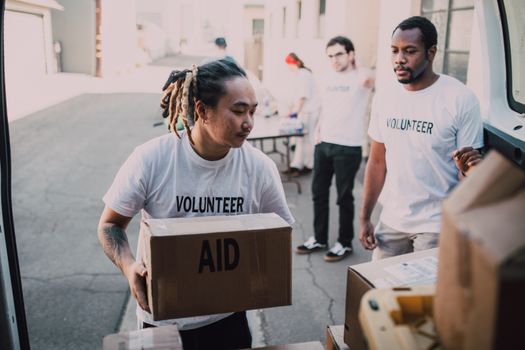
Volunteers unload aid supplies from a van, showcasing teamwork and community support. Photo: RDNE Stock project / Pexels
While general liability insurance is a baseline requirement for almost any organization, nonprofits in the US need to look far beyond this fundamental coverage. Several specialized policies are absolutely critical for mitigating the unique risks they face. **Directors & Officers (D&O) Liability Insurance:** This is arguably one of the most vital policies for any nonprofit. D&O insurance protects the personal assets of board members, officers, and sometimes even key employees, from lawsuits alleging wrongful acts committed in their capacity as leaders. These wrongful acts can include mismanagement of funds, breach of fiduciary duty, employment practices violations, or even defamation. Given that many nonprofit board members serve voluntarily, often bringing valuable expertise, D&O coverage is essential to attract and retain qualified individuals, assuring them that their personal finances are not at stake. Without it, a single lawsuit could bankrupt an individual director or force the nonprofit to use its precious program funds for legal defense. **Employment Practices Liability Insurance (EPLI):** Nonprofits, like any employer, are susceptible to claims of wrongful termination, discrimination, harassment, and other employment-related allegations. EPLI covers legal defense costs and damages associated with such claims, whether brought by employees, volunteers, or even job applicants. With the increasing complexity of labor laws and heightened awareness around workplace conduct, EPLI is no longer a luxury but a necessity for most nonprofits, regardless of their size. Even a small claim can incur substantial legal fees, diverting resources from the organization's core mission. **Professional Liability (Errors & Omissions - E&O) Insurance:** For nonprofits that provide professional services, such as counseling, educational programs, healthcare, or legal aid, E&O insurance is indispensable. This policy protects against claims of negligence, errors, or omissions in the professional services rendered. For example, a youth counseling service could face an E&O claim if a family alleges that incorrect advice led to detrimental outcomes. Similarly, a community health clinic needs E&O to cover potential malpractice claims. The specific type of E&O coverage will vary greatly depending on the services provided, making it crucial to work with nonprofit insurance providers US who understand these nuances. **Cyber Liability Insurance:** In an increasingly digital world, nonprofits collect and store vast amounts of sensitive data – donor credit card information, beneficiary health records, volunteer personal details. A data breach can lead to devastating consequences, including regulatory fines, notification costs, credit monitoring services for affected individuals, and reputational damage. Cyber liability insurance covers these costs, as well as business interruption expenses if systems are compromised. It's a critical safeguard for any nonprofit handling digital information, helping them recover from an attack and maintain the trust of their stakeholders. **Abuse and Molestation Coverage:** For organizations working with children, vulnerable adults, or in direct service capacities, abuse and molestation coverage is paramount. This specialized policy protects against claims of sexual or physical abuse committed by staff, volunteers, or even other beneficiaries. Such claims can be financially ruinous and devastating to an organization's reputation. This coverage is often a standalone policy or a specific endorsement, and it's essential for any nonprofit with direct contact with vulnerable populations. Finding nonprofit insurance providers US that offer robust abuse and molestation coverage is non-negotiable for these organizations. **Volunteer Accident Insurance:** Given the reliance on volunteers, nonprofits should consider volunteer accident insurance. While volunteers are not typically covered by workers' compensation, this policy provides medical expense coverage for injuries sustained while performing duties for the organization. It’s a way to show appreciation for volunteers and protect the organization from potential legal liability if a volunteer is injured during their service.

Identifying Top Nonprofit Insurance Providers US: What to Look For
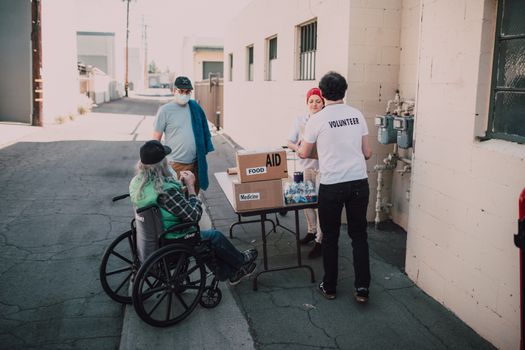
Volunteers distribute food and medicine to those in need, demonstrating compassion and community support. Photo: RDNE Stock project / Pexels
When searching for the best nonprofit insurance providers US, it's not enough to simply compare quotes. A truly effective partnership requires a provider that understands the unique operational dynamics and mission-driven nature of your organization. Here’s a comprehensive guide on what to look for when evaluating potential insurers: **1. Specialization in the Nonprofit Sector:** The most crucial factor is whether the provider specializes in or has a dedicated division for nonprofit insurance. General commercial insurers might offer some basic policies, but they often lack the in-depth understanding of the specific risks (like D&O, EPLI, or abuse and molestation) that are paramount for nonprofits. Providers with nonprofit expertise can offer tailored packages, industry-specific endorsements, and often have claims adjusters who are familiar with nonprofit operations and sensitivities. They understand the nuances of volunteer liability, fundraising event risks, and advocacy-related exposures. **2. Comprehensive Coverage Options:** Beyond general liability, look for providers who offer a full spectrum of the critical coverages discussed previously: D&O, EPLI, Professional Liability/E&O, Cyber Liability, Abuse and Molestation, and Volunteer Accident. A provider that can bundle these essential policies often streamlines administration and can offer more competitive pricing. Ensure they can customize policies to fit your specific activities, whether you run a food bank, an animal shelter, an arts organization, or an advocacy group. For instance, an organization operating a fleet of vehicles will need robust commercial auto insurance, while one hosting large public events will require specific event liability and cancellation coverage. **3. Strong Financial Stability:** Insurance is only as good as the insurer's ability to pay claims. Check the financial ratings of potential providers from independent agencies like A.M. Best. A strong rating indicates reliability and solvency, assuring you that the company will be there when you need them most. This is especially important for long-term protection and peace of mind. **4. Excellent Customer Service and Claims Handling:** When a claim arises, you want a responsive and efficient process. Research providers' reputations for customer service and claims handling. Are they easy to reach? Do they have a dedicated team for nonprofits? Read reviews and, if possible, speak to other nonprofits about their experiences. A provider that offers proactive risk management resources, such as safety guidelines, workshops, or legal advice hotlines, adds significant value beyond just the policy itself. This kind of support can help prevent claims before they even occur, which is invaluable for any nonprofit. **5. Competitive Pricing and Value:** While cost shouldn't be the sole determinant, it's certainly a factor. Obtain quotes from several specialized nonprofit insurance providers US and compare not just the premium, but the overall value. Does a slightly higher premium come with significantly better coverage limits, lower deductibles, or added services? Be wary of extremely low quotes that might signify inadequate coverage or hidden exclusions. A good broker specializing in nonprofits can be instrumental in navigating these comparisons and negotiating favorable terms on your behalf. **6. Risk Management Resources:** The best providers don't just sell policies; they partner with you in risk mitigation. Look for insurers who offer resources like webinars, guides, templates for volunteer agreements, or even on-site risk assessments. These value-added services can help your nonprofit proactively identify and reduce potential hazards, ultimately leading to fewer claims and potentially lower premiums over time. This holistic approach to risk management is a hallmark of truly dedicated nonprofit insurance partners. Nonprofit risk management is an ongoing process, and a supportive insurer can be a key ally.

Common Mistakes to Avoid When Choosing Nonprofit Insurance & Key Tips

A volunteer organizes food and clothing donations in a community center, maintaining records on a clipboard. Photo: Gustavo Fring / Pexels
Navigating the world of nonprofit insurance can be daunting, and organizations often make common mistakes that can leave them vulnerable. Avoiding these pitfalls is as important as knowing what to look for in a provider. **Common Mistakes:** * **Underestimating Risk:** Many nonprofits, especially smaller ones, believe they are too small to be sued or that their mission shields them from liability. This complacency is dangerous. Any organization interacting with the public, managing funds, or employing staff faces inherent risks. * **Relying on Standard Commercial Policies:** Assuming a general business policy will suffice is a critical error. These policies lack the specific endorsements and coverages vital for nonprofit operations, such as D&O for volunteer boards or abuse and molestation coverage. * **Focusing Solely on Price:** Opting for the cheapest policy without thoroughly reviewing coverage limits, deductibles, and exclusions is a recipe for disaster. An inadequate policy is essentially no policy when a significant claim arises. * **Not Disclosing All Activities:** Failing to inform your insurer of all your organization's activities, events, and programs can lead to denied claims. Transparency is crucial for proper coverage. * **Neglecting Annual Reviews:** A nonprofit's activities can change rapidly. Failing to review and update policies annually means your coverage might no longer align with your current operations, leaving gaps. * **Ignoring Volunteer Risks:** Assuming volunteers are covered by general liability or their own personal insurance is often incorrect. Specific volunteer accident and liability coverage is often needed. **Key Tips for Success:** * **Work with a Specialized Broker:** An insurance broker who specializes in nonprofit insurance can be an invaluable asset. They understand the market, can assess your specific risks, and negotiate with multiple nonprofit insurance providers US on your behalf, often saving you money and ensuring comprehensive coverage. * **Conduct a Thorough Risk Assessment:** Regularly audit your operations, programs, events, and financial practices to identify potential liabilities. Involve board members, staff, and even volunteers in this process. * **Document Everything:** Maintain meticulous records of all activities, volunteer agreements, safety protocols, incident reports, and financial transactions. Good documentation can be your best defense in a claim. * **Implement Robust Policies & Procedures:** Develop and enforce clear policies for everything from volunteer screening and supervision to financial controls and data privacy. Strong internal controls demonstrate due diligence. * **Educate Your Board & Staff:** Ensure everyone, especially board members and program managers, understands the importance of insurance and their role in risk mitigation. Regular training can prevent many claims. * **Bundle Policies for Savings:** Many nonprofit insurance providers US offer discounts for bundling multiple policies (e.g., D&O, EPLI, General Liability). Inquire about these opportunities to maximize your budget while maintaining robust coverage.

Comparison

FeatureSpecialized Nonprofit InsurerStandard Commercial InsurerBroker (Nonprofit Focus)
Understanding of Nonprofit RisksDeep, tailored expertiseGeneral, often insufficientExpert, acts as intermediary
D&O & EPLI CoverageStandard offering, customizableOften limited or separateAccess to best options
Abuse & Molestation CoverageCommon, specialized formsRarely offered, difficult to addIdentifies appropriate carriers
Risk Management ResourcesOften robust, sector-specificGeneric or absentMay provide resources or connect
Policy CustomizationHigh, designed for nonprofitsLow, 'one-size-fits-all'Maximizes customization
Claims Handling ExperienceFamiliar with nonprofit nuancesMay lack specific contextAdvocates on your behalf
Cost-EffectivenessCompetitive for specialized needsMay seem cheaper, but with gapsOptimizes value & cost

What Readers Say

"Our experience with Nonprofit Guard was exceptional. They clearly understand the unique challenges faced by organizations like ours and provided comprehensive D&O and EPLI coverage that our previous provider simply couldn't match. Their team was incredibly patient and explained every detail, making us feel truly protected."

Sarah Chen · Austin, TX

"As a small arts nonprofit, finding affordable yet robust insurance felt impossible until we found MissionSecure. Their specialized approach for nonprofit insurance providers US meant we got tailored coverage for our events and volunteers without breaking our budget. They genuinely care about our mission."

Mark Johnson · Seattle, WA

"After a minor incident at one of our youth programs, our chosen nonprofit insurance provider, Community Shield, handled the claim with incredible speed and empathy. It reinforced our decision to go with a specialist; they understood the sensitive nature of the situation and helped us navigate it seamlessly, preserving our reputation."

Maria Rodriguez · Miami, FL

"We've been with CharityCover for five years. While their pricing isn't always the absolute lowest, the breadth of their cyber liability and professional liability coverage, coupled with their excellent risk management resources, provides immense value. We appreciate their proactive advice, though sometimes their response times can be a little slow."

David Lee · Denver, CO

"Our nonprofit works with vulnerable populations, and securing adequate abuse and molestation coverage was our top priority. The team at Guardian NPO Insurance understood this critical need perfectly. They guided us through complex policy options and helped us implement better internal protocols, truly partnering with us for safety."

Emily White · Chicago, IL

Frequently Asked Questions

What is the most crucial type of insurance for a US nonprofit?

While General Liability is foundational, Directors & Officers (D&O) Liability insurance is often considered the most crucial for US nonprofits. It protects the personal assets of board members and officers from lawsuits alleging wrongful acts, which is vital for attracting and retaining qualified leaders who serve voluntarily. Additionally, Employment Practices Liability (EPLI) and Cyber Liability are becoming increasingly essential.

Are volunteers covered under a nonprofit's standard insurance policy?

Generally, volunteers are not automatically covered under a nonprofit's standard General Liability or Workers' Compensation policies. Nonprofits often need specific Volunteer Accident insurance to cover medical expenses for injuries volunteers sustain while working, and their liability for volunteers' actions may require specific endorsements or separate policies like D&O or EPLI if the volunteer is acting in a leadership capacity.

How can a nonprofit reduce its insurance costs?

To reduce insurance costs, nonprofits should implement robust risk management practices, such as comprehensive safety protocols, thorough background checks for staff and volunteers, and clear policies. Working with a specialized nonprofit insurance broker, bundling multiple policies, and regularly reviewing coverage with your provider can also lead to more competitive rates and ensure you're not over-insured for certain risks.

Is D&O insurance truly necessary for a small nonprofit with an all-volunteer board?

Yes, D&O insurance is absolutely necessary, even for small nonprofits with all-volunteer boards. Board members, regardless of whether they are paid or volunteer, can be held personally liable for their decisions and actions. A lawsuit alleging mismanagement, breach of fiduciary duty, or other wrongful acts could severely impact their personal finances and deter others from serving, jeopardizing the nonprofit's future.

How do specialized nonprofit insurance providers differ from general commercial insurers?

Specialized nonprofit insurance providers possess a deep understanding of the unique legal, operational, and ethical landscape of nonprofits. They offer tailored policies, endorsements, and risk management resources that address specific exposures like D&O liability for volunteer boards, abuse and molestation coverage, and volunteer accident insurance, which general commercial insurers often do not fully comprehend or offer as standard.

Who should primarily use nonprofit insurance providers US?

Any organization operating as a 501(c)(3) or other non-profit entity in the United States should prioritize using specialized nonprofit insurance providers. This includes charities, educational institutions, religious organizations, arts and culture groups, advocacy organizations, community service providers, and foundations, regardless of their size or operational scope.

What are the risks of being underinsured as a nonprofit?

The risks of being underinsured are significant and can be catastrophic. Without adequate coverage, a nonprofit could face devastating financial losses from lawsuits, property damage, or data breaches, potentially leading to bankruptcy. It can also damage the organization's reputation, erode public trust, and divert critical funds from its mission to cover legal fees and settlements, ultimately threatening its ability to operate.

What future trends should US nonprofits consider regarding insurance?

Future trends for US nonprofits in insurance include an increasing focus on cyber liability due to rising data breach incidents, greater scrutiny on D&O coverage as governance expectations evolve, and the growing importance of tailored policies for remote workforces and digital service delivery. Climate change-related risks and event cancellation insurance are also becoming more prominent considerations for many organizations.

Protecting your nonprofit's mission is paramount. By partnering with the right nonprofit insurance providers US, you safeguard your organization, your dedicated team, and the communities you serve. Don't leave your vital work exposed to unnecessary risks—take action today to secure comprehensive coverage.

Topics: nonprofit insurance providers USnonprofit liability insurancecharity insurance USAnonprofit risk managementD&O insurance nonprofit
Leo List

DK Escorts LU Escorts AT Escorts SE Escorts FI Escorts CH Escorts DE Escorts HR Escorts IE Escorts GR Escorts CZ Escorts NO Escorts BE Escorts FR Escorts SI Escorts IL Escorts NL Escorts PL Escorts HU Escorts ES Escorts IT Escorts PT Escorts SK Escorts RO Escorts ZA Escorts UY Escorts US Escorts UK Escorts NZ Escorts AU Escorts
Brampton weed
Adultwork EstrelaBet Vai de Bet R7 Bet Betão Galera Bet Rainbet Bet9ja Shop SportyBet BetKing Sisal Loto Foot Hollywoodbets YesPlay Odibets RushBet Jugabet BetWarrior BetCity MSport betPawa Fortebet