How to Start a Nonprofit for Animal Welfare: Your Complete Guide
August 11, 2026 16 min read 3,116 words
Transform your passion into action and create a lasting impact for animals in need, step by step.
Begin Your Journey
Laying the Foundation: Vision, Mission, and Planning for Your Animal Welfare Nonprofit
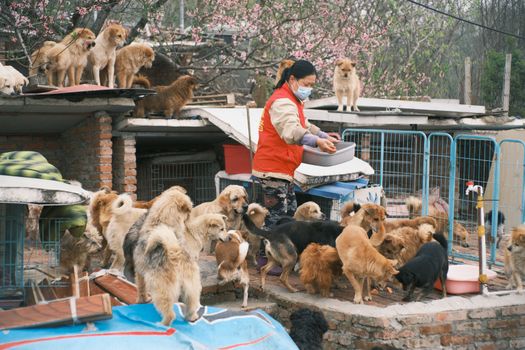 Photo: Mia X / Pexels
Embarking on the journey to start a nonprofit for animal welfare is a deeply rewarding endeavor, but it requires meticulous planning and a clear vision. The very first step, and arguably the most crucial, is to define your organization's mission and scope. What specific animal welfare problem are you aiming to solve? Are you focused on rescuing stray animals, advocating for animal rights, providing low-cost veterinary care, offering spay/neuter services, educating the public, or a combination of these? A narrow, well-defined mission will help you focus your efforts, attract the right volunteers and donors, and measure your impact effectively. For instance, instead of a broad 'help all animals,' consider 'rescuing and rehabilitating abused and neglected domestic animals in [Specific County]' or 'providing educational resources to promote responsible pet ownership in underserved communities.'
Once your mission is clear, you need to develop a comprehensive business plan. This isn't just for for-profit entities; a robust business plan is essential for any successful nonprofit. It outlines your goals, strategies, operational plans, and financial projections. Key components of your nonprofit business plan should include:
* **Executive Summary:** A concise overview of your organization, mission, and objectives.
* **Organization Description:** Detailed information about your proposed nonprofit, its legal structure, and its target beneficiaries.
* **Programs and Services:** A thorough description of the specific activities and services your organization will provide to achieve its mission. This might include adoption programs, foster networks, mobile clinics, advocacy campaigns, or educational workshops.
* **Operational Plan:** How will your organization function day-to-day? This includes staffing (paid and volunteer), facility needs (shelter, office space, clinic), equipment, and technology.
* **Marketing and Outreach Plan:** How will you reach your target audience (donors, volunteers, community members, animals in need)? This includes branding, communication strategies, and public relations.
* **Management Team:** Details about your initial board of directors and key personnel, highlighting their relevant experience and commitment.
* **Financial Plan:** This is critical. It includes startup costs, projected operating expenses, revenue streams (donations, grants, fundraising events, service fees), and a budget for at least the first three to five years. Don't underestimate the financial commitment involved in animal welfare; veterinary care, food, shelter, and administrative costs add up quickly. A realistic financial plan demonstrates sustainability to potential funders.
* **Evaluation Plan:** How will you measure your success and impact? What metrics will you track to demonstrate that your programs are effective and that you are achieving your mission? This is crucial for accountability and attracting ongoing support.
Consider conducting a needs assessment in your community. Are there existing animal welfare organizations? What gaps in services exist? How can your nonprofit complement or enhance current efforts rather than duplicate them? Collaborating with existing organizations, or identifying an underserved niche, can be a powerful strategy. Building a strong network early on can also provide invaluable mentorship and support. This initial planning phase, though time-consuming, is the bedrock upon which your entire animal welfare nonprofit will be built. Skipping steps here can lead to significant challenges down the road. For more detailed insights into nonprofit operations, explore resources like
nonprofit management best practices.
Navigating Legalities: Incorporation and 501(c)(3) Status for Your Animal Charity
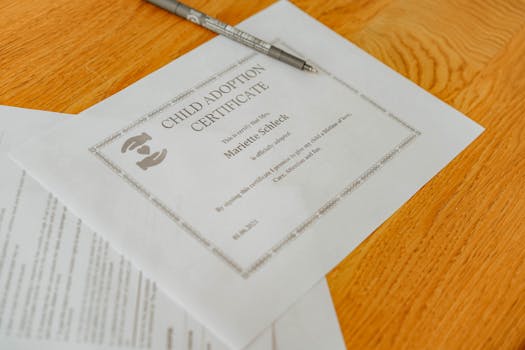 Photo: olia danilevich / Pexels
Once your foundational planning is complete, the next critical phase involves establishing your organization legally. This two-part process begins with state-level incorporation and culminates in federal tax-exempt status, specifically the 501(c)(3) designation, which is vital for any animal welfare nonprofit in the US. Without 501(c)(3) status, your organization cannot receive tax-deductible donations, which severely limits fundraising potential and grant opportunities.
**State Incorporation:**
Your first legal step is to incorporate your nonprofit in your state. This typically involves filing Articles of Incorporation with your state's Secretary of State or equivalent agency. The specific requirements vary by state, but generally include:
* **Choosing a Name:** Ensure your chosen name is unique and available in your state. Conduct a name availability search through your Secretary of State's website.
* **Registered Agent:** You'll need to designate a registered agent – an individual or entity with a physical street address in the state who is authorized to receive legal documents on behalf of your nonprofit.
* **Purpose Clause:** Your Articles of Incorporation must clearly state that your organization is formed for charitable, educational, scientific, or literary purposes, and that it will not engage in activities that would preclude it from qualifying for 501(c)(3) status.
* **Initial Board of Directors:** You will need to list your initial board members. Most states require at least three directors. These individuals are legally responsible for the oversight of the organization.
* **Bylaws:** While not always filed with the state, developing comprehensive bylaws is crucial. Bylaws are the internal operating manual for your nonprofit, detailing governance structure, board member duties, meeting procedures, voting rights, conflict of interest policies, and dissolution clauses. They should align with IRS requirements for 501(c)(3) organizations.
After incorporation, you will receive a Certificate of Incorporation from your state, signifying your legal existence as a nonprofit corporation. You will also need to obtain an Employer Identification Number (EIN) from the IRS, which is like a social security number for your organization, even if you don't plan to have employees initially.
**Federal 501(c)(3) Status:**
This is the most complex and time-consuming part of the legal process. To obtain 501(c)(3) status, you must apply to the IRS by filing Form 1023, Application for Recognition of Exemption Under Section 501(c)(3) of the Internal Revenue Code. This form is extensive and requires detailed information about your organization's purpose, activities, financial data, and governing documents (Articles of Incorporation and Bylaws).
Key aspects of the Form 1023 application include:
* **Organizational Test:** Your Articles of Incorporation must include specific language stating your organization's charitable purpose and dissolution clause (stating that assets will be distributed to another 501(c)(3) organization upon dissolution).
* **Operational Test:** You must demonstrate that your organization's activities are primarily charitable and that no part of its net earnings will benefit any private individual.
* **Financial Data:** You'll need to provide financial information for your past activities (if any) and projections for future operations.
* **Narrative Description of Activities:** A detailed explanation of how your animal welfare programs will operate and achieve your mission.
Filing Form 1023 can be daunting, and many organizations choose to seek assistance from an attorney specializing in nonprofit law or a qualified consultant. The IRS review process can take several months. Once approved, you will receive a determination letter from the IRS officially recognizing your 501(c)(3) status. It's important to remember that maintaining this status requires ongoing compliance, including annual filing of Form 990 with the IRS and adherence to all charitable solicitation laws in any state where you raise funds.
Building a Sustainable Future: Fundraising, Management, and Impact for Animal Welfare
With your legal framework in place, the focus shifts to building a sustainable organization that can effectively deliver on its mission to help animals. This involves assembling a dedicated team, developing robust fundraising strategies, and ensuring ethical and efficient operations. Your success hinges on your ability to consistently raise funds, manage resources wisely, and demonstrate tangible impact.
**Building Your Team:**
Your board of directors is paramount. These individuals are fiduciaries, legally and ethically responsible for the governance and financial oversight of your nonprofit. They should possess a diverse range of skills, including financial management, legal expertise, marketing, community relations, and, of course, a deep passion for animal welfare. Beyond the board, volunteers are the lifeblood of most animal welfare organizations. Recruit, train, and retain volunteers by clearly defining roles, providing adequate support, and recognizing their contributions. Whether it's fostering animals, assisting at adoption events, helping with administrative tasks, or fundraising, a strong volunteer base amplifies your capacity significantly. If your budget allows, hiring key staff members—such as an executive director, program manager, or development officer—can provide critical leadership and expertise.
**Fundraising Strategies:**
Sustainable funding is the cornerstone of any nonprofit. You need a diversified fundraising plan to avoid reliance on a single source. Consider a mix of the following:
* **Individual Donations:** Cultivate relationships with individual donors through direct mail, online campaigns, and personal solicitations. Emphasize recurring donations to create a stable income stream.
* **Grants:** Research and apply for grants from foundations, corporations, and government agencies that align with your mission. This is often a significant funding source for animal welfare organizations.
* **Fundraising Events:** Organize adoption events, galas, charity runs, pet-friendly festivals, or online auctions. These not only raise funds but also increase community awareness and engagement.
* **Corporate Sponsorships:** Partner with local businesses that want to support animal welfare. This can involve direct financial contributions, in-kind donations (e.g., pet food, supplies), or event sponsorships.
* **Merchandise Sales:** Sell branded apparel, pet accessories, or other items to generate revenue and promote your cause.
* **Planned Giving:** Encourage donors to include your nonprofit in their wills or estate plans.
* **Earned Income:** If applicable, consider services that generate revenue, such as low-cost spay/neuter clinics, microchipping services, or pet training classes, ensuring they align with your charitable purpose and don't jeopardize your 501(c)(3) status.
**Operational Excellence and Impact Measurement:**
Effective management is critical. Implement robust financial controls, clear communication channels, and ethical practices in all aspects of your operations, especially when dealing with animals. Transparency with donors and the public builds trust. Regularly evaluate your programs and measure your impact. How many animals have you rescued? How many adoptions facilitated? What is the live release rate? How many people have you educated? Use data to demonstrate your effectiveness, celebrate successes, and identify areas for improvement. Share these stories and statistics with your supporters; it reinforces their decision to contribute to your cause. Remember, the journey to start a nonprofit for animal welfare is continuous, requiring adaptability, resilience, and an unwavering commitment to the animals you serve. For deeper insights into nonprofit fundraising, explore resources on
effective donor engagement strategies.
Common Pitfalls and Best Practices for New Animal Welfare Nonprofits
Starting an animal welfare nonprofit is a complex undertaking, and while passion is essential, avoiding common pitfalls and adopting best practices from the outset can significantly increase your chances of long-term success. Many new organizations stumble due to a lack of preparation or oversight in critical areas.
**Common Pitfalls to Avoid:**
* **Underestimating Costs:** Animal care is expensive. Veterinary bills, food, shelter maintenance, and administrative overhead can quickly deplete funds if not accurately budgeted. Many new nonprofits fail because they run out of money faster than anticipated.
* **Lack of a Clear Mission:** A vague mission can lead to mission creep, where the organization tries to do too much, diluting its impact and stretching resources thin. Stick to your defined purpose.
* **Insufficient Board Engagement:** A disengaged or inexperienced board can lead to poor governance, financial mismanagement, and a lack of strategic direction. Ensure your board is active, diverse, and committed.
* **Ignoring Legal Compliance:** Failing to properly incorporate, obtain 501(c)(3) status, or comply with state charitable solicitation laws can result in fines, loss of tax-exempt status, and damage to your reputation.
* **Burnout:** The emotional and physical demands of animal welfare work are immense. Founders and volunteers can quickly burn out without proper self-care, support systems, and realistic expectations.
* **Poor Communication:** Ineffective communication with donors, volunteers, and the public can hinder fundraising, recruitment, and community support.
* **Lack of Diversified Funding:** Relying on a single funding source (e.g., one major donor or one annual event) makes your organization vulnerable to financial instability if that source disappears.
**Best Practices for Success:**
* **Build a Strong, Diverse Board:** Recruit individuals with varied skills (finance, legal, marketing, animal care) and a deep commitment to your mission. Provide clear expectations and ongoing training.
* **Develop a Comprehensive Strategic Plan:** Beyond the initial business plan, create a 3-5 year strategic plan that outlines your long-term goals, strategies, and key performance indicators.
* **Prioritize Transparency and Accountability:** Be open with your financial information, program results, and governance. Use tools like Guidestar to publicly share your Form 990s and demonstrate impact.
* **Invest in Volunteer Management:** Treat volunteers as valuable assets. Provide thorough training, clear roles, regular appreciation, and opportunities for growth. A strong volunteer program is a force multiplier.
* **Cultivate Donor Relationships:** Move beyond transactional asks. Build genuine relationships with donors, communicate your impact, and thank them regularly. Personalize your outreach.
* **Embrace Technology:** Utilize software for donor management (CRM), accounting, volunteer scheduling, and social media to streamline operations and enhance outreach.
* **Network and Collaborate:** Connect with other animal welfare organizations, local businesses, and community leaders. Collaboration can lead to shared resources, increased impact, and new opportunities.
* **Focus on Impact Measurement:** Continuously track data related to your programs. How many animals are saved? What are your adoption rates? How many people reached through education? Use this data to refine programs and report to stakeholders.
* **Prioritize Animal Welfare Standards:** Adhere to the highest standards of animal care, including appropriate housing, nutrition, veterinary care, and enrichment programs. Your reputation depends on it.
* **Practice Self-Care:** Encourage founders, staff, and volunteers to take breaks and seek support to prevent burnout. The work is demanding, and sustainable effort requires sustainable people.
By proactively addressing these areas, your animal welfare nonprofit can build a resilient foundation, navigate challenges effectively, and achieve its noble mission of making a significant difference in the lives of animals.
