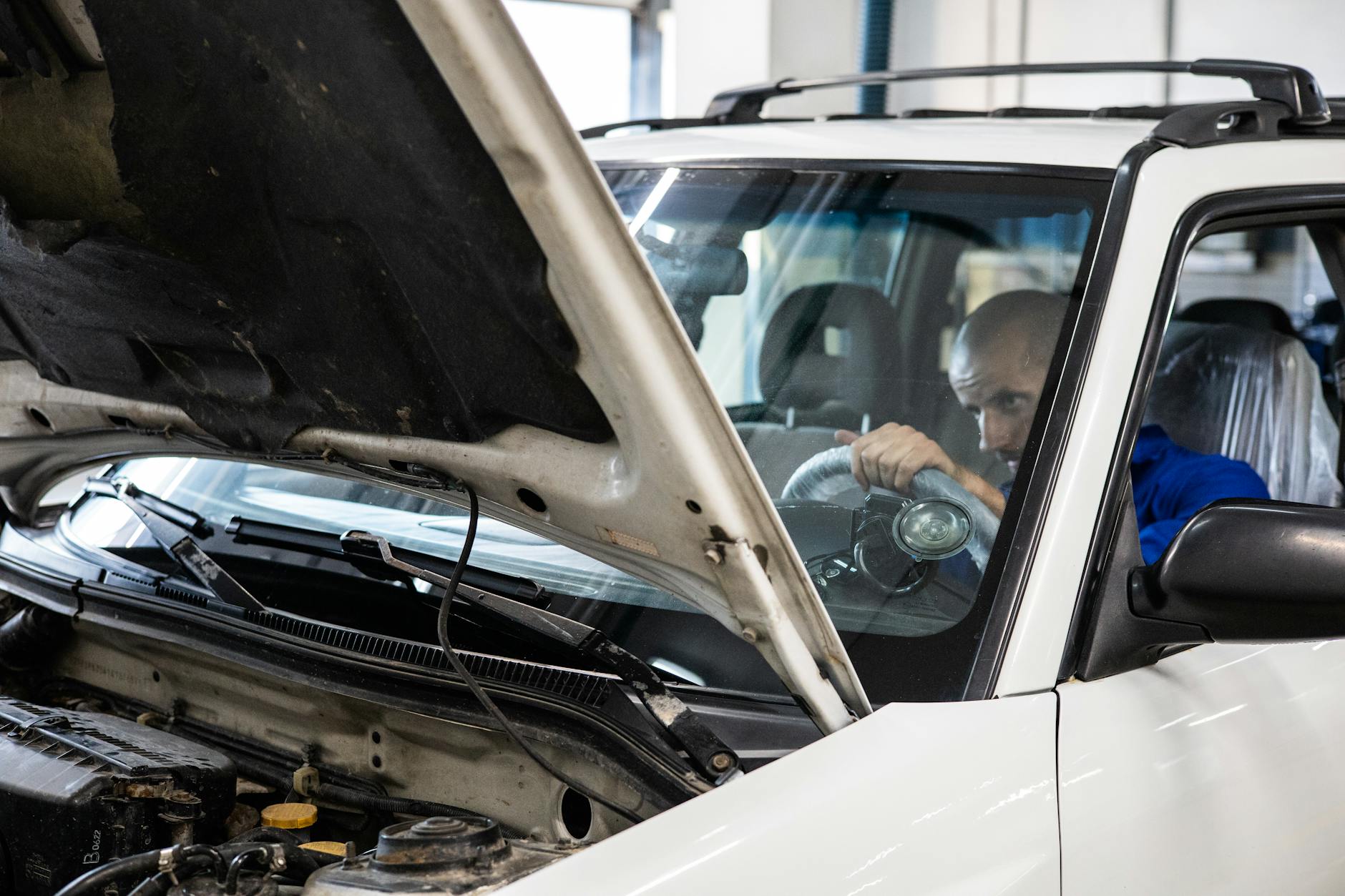
Reviewing Rental Car Condition Cyprus: Your Essential Guide
Reviewing rental car condition Cyprus

Reviewing Rental Car Condition Cyprus: Your Essential Guide

Ensure a stress-free trip to Cyprus by meticulously inspecting your rental car and protecting your nonprofit's budget.

Read the Full Guide

Key Takeaways

  • ✓ Thorough pre-rental inspection is crucial to avoid false damage claims.
  • ✓ Document all existing damage with photos and videos before driving off.
  • ✓ Understand the rental agreement's damage policy, especially for non-profits.
  • ✓ A post-rental inspection with the agent is equally important.
  • ✓ Insurance coverage for rental cars may not cover all scenarios; verify.
  • ✓ Cyprus drives on the left; adjust your driving and awareness accordingly.

How It Works

1
Pre-Rental Documentation

Before accepting the keys, meticulously inspect the vehicle's exterior and interior. Photograph and video every scratch, dent, or imperfection, no matter how small.

2
Clarify Agreement Terms

Review the rental agreement carefully, paying close attention to sections on damage, insurance, and fuel policies. Ask the rental agent to clarify any ambiguous clauses.

3
During-Rental Vigilance

Drive carefully and be aware of your surroundings to prevent new damage. Should an incident occur, document it immediately and contact the rental company as per their instructions.

4
Post-Rental Inspection & Handover

Upon returning the car, ensure a joint inspection with a rental agent. Obtain a signed document confirming the car's condition, ideally stating no new damage.

The Critical Importance of Pre-Rental Inspection in Cyprus

For anyone traveling to Cyprus, especially those representing a nonprofit organization where budget management and accountability are paramount, the initial inspection of a rental car is not merely a formality; it's a critical safeguard. Cyprus, with its beautiful landscapes and sometimes challenging roads, means rental cars can accumulate minor wear and tear quickly. Without a meticulous pre-rental check, your organization could inadvertently become liable for pre-existing damage, leading to unexpected costs and administrative headaches. This proactive approach protects your nonprofit’s valuable resources and reputation. Imagine arriving in Cyprus, ready to embark on a vital project, only to be delayed or financially burdened by a dispute over a dent you didn’t cause. This scenario is entirely avoidable with proper diligence. The process begins the moment you approach your rental vehicle. Do not rush. Take your time to walk around the entire car, examining every panel, the roof, and the bumpers. Look for scratches, dings, dents, and scuffs. Pay particular attention to areas prone to damage, such as wheel arches, door edges, and the underside of the front bumper. These are often overlooked but can incur significant repair costs. It’s not just the exterior; the interior also demands scrutiny. Check for tears or stains on upholstery, damage to the dashboard, and ensure all interior lights and features (like air conditioning, radio, and window controls) are fully functional. Documenting the fuel level and odometer reading is also a standard practice that should not be skipped. This thoroughness creates a robust record, serving as irrefutable evidence of the car's condition at the time of pick-up. For a nonprofit, every dollar saved from avoiding unjust charges means more resources available for its mission. Understanding the local nuances, such as potential for gravel roads or tight parking spaces in historical areas, further emphasizes the need for this diligent inspection. By dedicating time upfront, you are investing in peace of mind and financial security for your trip and your organization. For more on protecting your interests, consider reviewing general travel insurance options for nonprofits here.

Documenting Damage: Your Unassailable Evidence in Cyprus

In the world of rental cars, a picture (or a video) is truly worth a thousand words – and potentially hundreds of euros. When reviewing rental car condition Cyprus, your primary tool for dispute resolution is comprehensive documentation. Simply noting damage on a paper form provided by the rental company is often insufficient. These forms can be vague, and agents may overlook or downplay minor imperfections that later become major charges. Therefore, you must take matters into your own hands with your smartphone or camera. Start by taking a video walk-around of the entire vehicle, ensuring good lighting and clarity. Narrate as you go, pointing out every scratch, dent, and anomaly. Follow this with detailed photographs of each piece of damage, capturing multiple angles and close-ups. Don't forget the interior, including upholstery, dashboard, and luggage compartment. Photograph the fuel gauge, odometer, and even the tire tread if it appears worn. Crucially, ensure that the date and time stamps on your photos and videos are accurate. This timestamp proves when the damage was observed relative to your rental period. After documenting, compare your findings with the rental company’s damage report. If their report misses anything you've found, insist that the agent adds it and signs off on the updated document. Keep your copy of this signed document, along with all your photographic and video evidence, in a safe place. Ideally, email these files to yourself immediately, creating an independent record that cannot be disputed later. This meticulous approach is especially vital for non-profit organizations operating on strict budgets. Unexpected charges can significantly impact program funding or operational efficiency. By having undeniable proof of the car's condition before you drive off, you effectively shield your organization from unwarranted claims and protect its financial integrity. This small investment of time in documentation can save substantial resources and stress down the line, allowing your team to focus on their mission in Cyprus without distractions related to car rental disputes.

You may also find Rental Car Cyprus useful.

Navigating Rental Agreements and Insurance in Cyprus

Understanding the fine print of your rental agreement and the intricacies of insurance coverage is paramount when renting a car in Cyprus, particularly for non-profit entities. Rental agreements are legally binding documents, often filled with jargon that can be confusing. Before signing, read every clause carefully, focusing on sections related to damage liability, fuel policy, mileage limits, and any additional fees. Many agreements in Cyprus operate on a 'full-to-full' fuel policy, meaning you receive the car with a full tank and must return it the same way. Failing to do so can result in exorbitant refueling charges. Pay attention to any clauses regarding tire damage, windscreen damage, or undercarriage damage, as these are frequently excluded from basic insurance packages and are common issues on Cypriot roads. Insurance is another complex area. The standard Collision Damage Waiver (CDW) or Loss Damage Waiver (LDW) offered by rental companies usually comes with an excess (deductible), meaning you are responsible for the first portion of any repair costs. This excess can be substantial. Rental companies often push for 'Super CDW' or 'Full Protection' to reduce or eliminate this excess, but these are additional, often costly, daily charges. Before accepting these, check if your personal car insurance, credit card benefits, or your nonprofit's corporate insurance policy already provides coverage for rental cars abroad. Many premium credit cards offer secondary rental car insurance that can cover the deductible if your primary insurance doesn't. However, it's crucial to confirm the specifics of this coverage for international rentals and ensure it applies in Cyprus. Some policies exclude certain vehicle types or specific countries. For a nonprofit, securing the right level of insurance without overspending is a balancing act. It requires thorough research and, if necessary, a call to your insurance provider or credit card company before you even leave the US. This proactive approach ensures that any potential damage, despite your best efforts, doesn't derail your organization's financial plans or mission. For further insights on financial management for nonprofits, explore resources like this guide on budgeting.

Post-Rental Inspection and Avoiding Common Pitfalls

The return of your rental car in Cyprus is just as important as the pick-up. This is the final opportunity to ensure no new, unwarranted charges appear on your nonprofit's bill. Always aim to return the vehicle during operating hours when a rental agent is available for a joint inspection. Insist on walking around the car with the agent, comparing its current state against your initial documentation. If the agent claims new damage, refer to your photos and videos. This is where your diligent record-keeping truly pays off. If no new damage is found, request a signed document or an email confirmation stating the vehicle was returned in satisfactory condition. Without this, disputes can arise weeks later, making it much harder to contest claims. Here are some common pitfalls to avoid when reviewing rental car condition Cyprus: * **Rushing the return:** Don't be pressured by time constraints. Allow ample time for the inspection. * **Ignoring minor details:** A small scratch noted by you might be overlooked by the agent at pick-up but flagged as new damage at return. * **Not checking the fuel:** Ensure the fuel tank matches the pick-up level to avoid hefty refueling fees. * **Forgetting personal belongings:** Double-check the glove box, trunk, and under seats. * **Not getting a signed return receipt:** This is your proof of a clean return. * **Assuming insurance covers everything:** Always verify your specific policy's coverage for Cyprus. * **Driving on unpaved roads:** Many rental agreements void insurance if you drive on non-paved roads, which can be common in rural Cyprus. * **Parking in tight spots without caution:** Tight streets in old towns increase the risk of minor scuffs. By being vigilant and informed throughout the entire rental process, from pick-up to return, your nonprofit can navigate car rentals in Cyprus smoothly and efficiently, safeguarding its resources for its crucial work.

Comparison

FeatureThorough Pre-CheckQuick GlanceNo Check
Risk of False ClaimsLowMediumHigh
Time Invested (Pick-up)20-30 mins5-10 mins0 mins
Peace of MindHighModerateLow
Cost Savings Potential
Dispute Resolution EaseEasy (with evidence)DifficultExtremely Difficult
Nonprofit Budget ImpactPositiveNegativeVery Negative

What Readers Say

"Reviewing rental car condition Cyprus meticulously saved our nonprofit hundreds of dollars. The agent tried to charge us for a pre-existing scratch, but my detailed video proof shut that down immediately. Incredibly helpful guide!"

Sarah J. · Austin, TX

"We followed the advice to document everything before driving off. Sure enough, at return, they pointed to a small chip. My photos clearly showed it was there when we picked it up. This guide is essential for any US nonprofit working abroad."

Mark D. · Seattle, WA

"Thanks to this article, our team in Cyprus knew exactly how to handle the car rental. We spent extra time on the initial inspection and got a signed return form, preventing any surprise charges. It directly protected our project funds."

Eleanor P. · New York, NY

"The guide was mostly excellent, though I wish there was more emphasis on checking tire pressure. Otherwise, the documentation tips for reviewing rental car condition Cyprus were spot on and prevented a potential headache for our charity."

Thomas L. · Chicago, IL

"As a volunteer coordinator, managing our budget is critical. This guide on reviewing rental car condition Cyprus helped us train our field teams to be proactive and avoid unnecessary expenses. Highly recommend for any international nonprofit operations."

Maria K. · Miami, FL

Frequently Asked Questions

What is the most crucial step when reviewing rental car condition in Cyprus?

The most crucial step is the meticulous pre-rental inspection combined with comprehensive photographic and video documentation of all existing damage. This creates an undeniable record of the car's condition before you take possession, serving as your primary defense against false damage claims upon return.

I'm worried about getting charged for damage I didn't cause. How can I protect my nonprofit?

Beyond thorough documentation, ensure you get a signed damage report from the rental company at pick-up that accurately reflects your findings. At return, insist on a joint inspection with an agent and obtain a signed 'no new damage' receipt or email confirmation. This paper trail is your best protection.

How do I properly document existing damage on a rental car in Cyprus?

Use your smartphone to take a video walk-around of the entire vehicle, narrating and pointing out every scratch and dent. Follow up with detailed photos of each imperfection from multiple angles. Capture close-ups, wide shots, and ensure good lighting. Don't forget the interior, fuel gauge, and odometer. Email these files to yourself immediately for a timestamped record.

What's the typical cost of rental car insurance in Cyprus, and what should I consider for my nonprofit?

The cost of rental car insurance (CDW/LDW) varies, but eliminating the excess with 'Super CDW' can add significant daily fees. For nonprofits, it's vital to check if existing organizational insurance, personal credit card benefits, or travel insurance covers rental cars in Cyprus. Compare these options against the rental company's offerings to find the most cost-effective yet comprehensive coverage.

Is it better to book car rental insurance through the rental company or an independent provider?

This depends on your specific needs and existing coverage. Booking through the rental company is convenient but often more expensive. Independent providers or your credit card's benefits might offer better value or more comprehensive coverage, but require careful verification of terms and conditions, especially for international rentals and liability limits in Cyprus.

Who should be particularly vigilant when reviewing rental car condition Cyprus?

Anyone renting a car in Cyprus should be vigilant, but it's especially critical for representatives of nonprofit organizations. Unjust damage charges directly impact their operational budget, diverting funds from their core mission. Travelers on a tight budget or those unfamiliar with international rental practices also benefit greatly from this detailed approach.

Are there any safety concerns or common road hazards in Cyprus that impact rental car condition?

Cyprus has generally good roads, but rural areas can have unpaved or gravel tracks, which can cause tire or undercarriage damage not covered by standard insurance. Also, tight parking in older towns and aggressive local driving can increase the risk of minor scrapes. Always drive defensively and be aware of your surroundings to mitigate risks.

How might car rental condition review practices evolve in Cyprus with new technology?

We may see more widespread use of AI-powered damage detection systems at rental depots, using automated scans to create precise pre and post-rental damage reports. This could streamline the process and reduce human error or disputes, making reviewing rental car condition Cyprus even more transparent for renters.

By diligently reviewing rental car condition in Cyprus, your nonprofit can ensure a smooth, financially sound journey. Protect your mission and your budget by implementing these essential inspection and documentation practices. Drive confidently, knowing you’ve taken every step to safeguard your resources.

Topics: Reviewing rental car condition CyprusCyprus car rental inspectionrental car damage check Cyprusavoiding car rental disputes Cyprusnonprofit car rental Cyprus
Leo List
Brampton weed
Adultwork