Top Nonprofit Fundraising Ideas for Small Organizations
nonprofit fundraising ideas for small organizations

Top Nonprofit Fundraising Ideas for Small Organizations

Unlock the power of strategic, community-driven fundraising to fuel your mission and make a greater impact.

Start Fundraising Now

Key Takeaways

  • ✓ Small nonprofits often rely on diverse, accessible fundraising methods.
  • ✓ Community engagement is crucial for sustainable funding for smaller organizations.
  • ✓ Digital tools can significantly amplify fundraising efforts without large budgets.
  • ✓ Personalized donor relationships are more impactful for small nonprofits.

How It Works

1
Define Your Fundraising Goal

Clearly articulate what you're raising money for and the impact it will have. This clarity motivates donors and guides your strategy.

2
Identify Your Target Audience

Understand who is most likely to support your cause. Tailor your messages and chosen fundraising methods to resonate with them.

3
Select Appropriate Strategies

Choose from a mix of event-based, online, and direct appeal methods that align with your capacity and donor preferences. Don't try to do everything at once.

4
Engage, Thank, and Retain Donors

Build lasting relationships through consistent communication, genuine appreciation, and demonstrating the impact of their contributions. Donor retention is key to long-term success.

Understanding the Unique Landscape of Small Nonprofit Fundraising

A group of young adults discussing a project together in a modern indoor setting. Photo: Monstera Production / Pexels
For small organizations, fundraising isn't just about collecting money; it's about building a community, telling a compelling story, and demonstrating tangible impact with limited resources. Unlike large institutions with dedicated development teams and extensive donor databases, small nonprofits often rely on the passion of a few individuals, the generosity of local communities, and the power of their mission to inspire support. This unique landscape requires a strategic, creative, and often grassroots approach to fundraising. It means leveraging personal connections, maximizing the efficiency of every dollar spent, and cultivating genuine relationships with every donor, no matter the size of their contribution. The challenge is real, but so is the opportunity to innovate and connect deeply with supporters who believe in your cause. One of the primary advantages small nonprofits have is their ability to offer a direct line to impact. Donors to a small organization can often see the immediate and tangible results of their contributions, fostering a deeper sense of connection and fulfillment. This directness can be a powerful fundraising tool. When crafting your appeals, focus on specific stories, individual beneficiaries, or concrete project outcomes. Instead of broad statistics, share how a $50 donation directly provides a week of meals for a local family, or how $100 funds school supplies for ten children. This specificity makes your mission real and actionable for potential donors. Furthermore, small nonprofits thrive on community engagement. Your most ardent supporters are often those who live in the area you serve or are personally connected to your cause. Engaging these local champions is paramount. This can involve hosting small, intimate events, participating in community fairs, or creating volunteer opportunities that double as awareness-building activities. Building a network of local advocates means you have a built-in base for word-of-mouth marketing, which is incredibly effective and cost-free. Think about how local businesses might partner with you, offering space for an event or donating a portion of their sales. These partnerships not only bring in funds but also expand your reach within the community. Remember, every volunteer, every board member, and every satisfied beneficiary is a potential fundraiser for your organization. Empower them to share your story and invite others to join your mission. Developing strong relationships within your community can unlock doors to resources and support that larger, more impersonal organizations might miss. This localized approach to fundraising is a cornerstone of success for small nonprofits, allowing them to punch above their weight in the philanthropic arena. It’s about more than just asking for money; it’s about inviting people to be part of something meaningful, something they can see and touch in their own backyard. For further insights on building sustainable support, explore strategies for cultivating long-term donor relationships. Finally, adaptability is a critical component for small nonprofits. The fundraising landscape is constantly evolving, with new technologies and donor preferences emerging regularly. Small organizations, unburdened by rigid bureaucratic structures, can often pivot more quickly to adopt new strategies or respond to unforeseen challenges. This agility allows them to experiment with different fundraising ideas, learn from what works (and what doesn't), and continuously refine their approach. Whether it's embracing a new social media platform for fundraising or quickly organizing an emergency appeal in response to a local crisis, the ability to be nimble can be a significant asset. This resilience, combined with a deep understanding of their community and a clear mission, empowers small nonprofits to achieve remarkable fundraising success despite their size.

Cost-Effective Digital Fundraising Strategies for Small Budgets
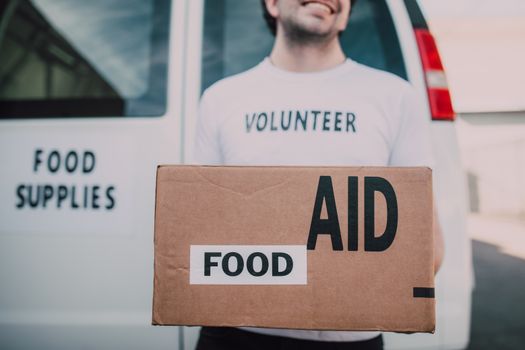
Smiling volunteer holding a box labeled 'Food Aid' outside a van with 'Food Supplies' sign. Photo: RDNE Stock project / Pexels
In today's digital age, even small nonprofits with limited budgets can leverage online tools to significantly expand their fundraising reach and efficiency. The key is to choose platforms and strategies that offer maximum impact for minimal investment. Social media, for instance, is a powerful and largely free tool for telling your story, engaging your audience, and driving donations. Platforms like Facebook, Instagram, and even TikTok can be used to share compelling visuals, short videos, and direct calls to action. Regularly posting updates about your work, sharing beneficiary stories, and highlighting the impact of donations can keep your mission top-of-mind for your followers. Consider running targeted Facebook Fundraisers, which allow individuals to create personal campaigns for your organization, tapping into their networks. Make sure your posts include clear links to your donation page and use relevant hashtags to increase visibility. Email marketing remains one of the most effective digital fundraising channels, boasting a high return on investment. Building an email list of supporters, volunteers, and interested community members is crucial. Use a free or low-cost email marketing service (like Mailchimp or Constant Contact) to send out regular newsletters, event invitations, and fundraising appeals. Segment your list if possible to send more personalized messages. Your emails should be concise, compelling, and always include a clear call to action. Share success stories, express gratitude, and explain exactly how donations are used. A well-crafted email can not only secure donations but also build a stronger sense of community and loyalty among your supporters. Crowdfunding platforms like GoFundMe, Classy, or Donorbox offer another excellent avenue for small nonprofits. These platforms make it easy to set up a dedicated campaign page, share it widely, and collect donations securely. They often have built-in social sharing features, allowing your supporters to easily spread the word. While some platforms take a small percentage of donations or charge a fee, the exposure and ease of use can far outweigh the cost. When launching a crowdfunding campaign, set a clear goal, create an engaging video or strong visuals, and regularly update your page with progress reports and thank you messages. Encourage your board members and key volunteers to be the first to donate and share, creating initial momentum. Virtual events have also emerged as a highly effective and budget-friendly fundraising method. From online workshops and webinars to virtual trivia nights or talent shows, these events eliminate venue costs and geographical barriers. You can charge a small participation fee, seek virtual sponsorships, or incorporate a 'donate what you can' model. Promote your virtual events through social media, email, and community calendars. They offer a unique way to engage supporters, build community, and raise funds, all from the comfort of your own (or your supporters') home. Leveraging these digital strategies allows small nonprofits to reach a wider audience, streamline the donation process, and cultivate a robust donor base without requiring a large financial outlay.

Engaging Your Community: Event-Based and Grassroots Fundraising

Top view of a bustling indoor exhibition space in Taipei, Taiwan. Photo: Derek Tsai / Pexels
While digital strategies are vital, the power of face-to-face interaction and community-driven events cannot be overstated for small nonprofits. These grassroots efforts build strong bonds, generate local buzz, and provide opportunities for direct engagement with your mission. Hosting a community event, even a small one, can be incredibly effective. Consider a 'fun run' or 'walk-a-thon' where participants gather pledges. These events promote health, community spirit, and provide a clear fundraising goal. A 'bake sale' or 'craft fair' can leverage the talents of your volunteers and offer tangible goods for sale, attracting a wider audience than a direct donation appeal alone. Partnering with local schools for spirit nights or restaurant 'give-back' days where a percentage of sales goes to your organization are low-effort, high-reward options that benefit both your nonprofit and local businesses. These events also serve as excellent opportunities to distribute informational materials, recruit volunteers, and collect email addresses for future communication. Another powerful grassroots approach is peer-to-peer fundraising. This method empowers your most passionate supporters to become fundraisers themselves, reaching out to their personal networks. Provide them with tools like personalized fundraising pages, email templates, and talking points about your mission. This taps into the trust and influence individuals have within their own circles, often leading to donations from people who might not have otherwise heard of your organization. It's a scalable model that leverages your existing relationships to expand your reach exponentially. Make sure to recognize and celebrate your peer fundraisers; their efforts are invaluable. Small, intimate 'friend-raisers' or house parties can be incredibly effective for cultivating major donors. Ask a board member or a long-time supporter to host a gathering at their home, inviting friends and colleagues who might be interested in your cause. A representative from your nonprofit can then share a brief, compelling presentation about your work and its impact. The informal setting encourages open conversation and allows potential donors to ask questions and feel a personal connection to your mission. This direct interaction can be much more impactful than a mass appeal, especially for securing larger gifts. For more detailed guidance on fostering these crucial connections, refer to our guide on building strong donor relationships. Finally, don't underestimate the power of 'merchandise for a mission.' Selling branded t-shirts, mugs, tote bags, or even custom local products can generate revenue while simultaneously raising awareness for your cause. These items act as walking billboards for your organization. Partner with local artists or businesses to create unique products that resonate with your community. This not only provides a revenue stream but also fosters a sense of belonging and pride among your supporters. By combining digital outreach with these hands-on, community-focused events and strategies, small nonprofits can create a robust and diversified fundraising portfolio that consistently supports their vital work.

Maximizing Impact: Donor Stewardship and Grant Opportunities

A detailed close-up of a person handwriting on a card with a marker, perfect for creatives. Photo: Katya Wolf / Pexels
Fundraising isn't just about acquiring new donors; it's equally, if not more, about retaining and nurturing your existing ones. Donor stewardship is the art of building lasting relationships with your supporters, ensuring they feel valued, informed, and connected to your mission. For small nonprofits, personalized stewardship is a massive advantage. Send handwritten thank you notes, make personal phone calls, and provide regular updates on the impact of their donations. A simple, heartfelt thank you can make a donor feel appreciated and significantly increase the likelihood of their continued support. Share stories of specific individuals or projects that were made possible by their generosity, demonstrating the tangible difference they are making. Consider inviting key donors to small, exclusive events where they can meet beneficiaries or see your work firsthand. This deepens their engagement and reinforces their commitment. Another often-overlooked area for small nonprofits is grant writing. While it can seem daunting, securing grants from foundations, corporations, or government agencies can provide substantial, often multi-year funding. Start by researching local community foundations, corporate giving programs, and smaller national foundations that align with your mission. Many foundations specifically earmark funds for small, grassroots organizations. Look for grants that match your specific programs or operational needs. Begin with smaller, local grants to build your track record and experience. Develop a strong 'case for support' that clearly articulates your problem statement, proposed solution, organizational capacity, and measurable outcomes. Even if you don't have a dedicated grant writer, resources are available online (like the Foundation Directory Online or local grant writing workshops) to help you learn the ropes. Don't be afraid to reach out to foundations with questions; many offer guidance to potential applicants. Beyond traditional grants, explore corporate sponsorships and partnerships. Local businesses are often looking for ways to give back to their community and enhance their brand image. Approach businesses that align with your values or target audience. This could involve sponsoring an event, a specific program, or even providing in-kind donations of goods or services. Be clear about the benefits they will receive, such as logo placement, media mentions, or employee engagement opportunities. A win-win partnership benefits both organizations and strengthens your community ties. Finally, remember that every interaction is an opportunity for stewardship. From your website's 'about us' page to your social media comments, ensure your message is consistent, grateful, and focused on impact. The goal is to build a loyal community of supporters who are not just donating money, but investing in your mission and becoming advocates for your cause.

Comparison

FeatureCrowdfundingPeer-to-Peer FundraisingGrant WritingCommunity Events
Initial Setup EffortLow-ModerateModerateHighModerate-High
Reach PotentialBroad (Online)Expansive (Network)Targeted (Foundations)Local (Community)
Cost-EffectivenessHigh (Platform Fees)Very HighModerate (Time Invested)Variable (Venue, Supplies)
Donor EngagementTransactionalHigh (Personalized)IndirectHigh (Direct)
SustainabilityCampaign-basedOngoing potentialLong-term fundingRecurring potential

What Readers Say

"These nonprofit fundraising ideas for small organizations transformed our local animal shelter's outreach. We went from struggling to meet our monthly goals to exceeding them consistently, thanks to the practical advice on community events."

Maria Rodriguez · Austin, TX

"As a new small environmental nonprofit, we found the digital fundraising strategies invaluable. The tips on leveraging social media and email marketing helped us connect with donors we never thought we could reach."

David Chen · Portland, OR

"Our small arts collective implemented the peer-to-peer fundraising model suggested here. We raised 150% of our goal for our annual festival, directly funding three new local artist grants!"

Sarah Jenkins · Miami, FL

"While some grant writing advice was a bit advanced for our tiny team, the overall guidance on donor stewardship and local partnerships was excellent. We've seen a noticeable increase in recurring donations."

Mark Thompson · Denver, CO

"Running a small literacy program, resources are always tight. The section on cost-effective digital strategies, especially virtual events, gave us innovative ways to engage our community without breaking the bank."

Jessica Lee · Chicago, IL

Frequently Asked Questions

What are the most effective nonprofit fundraising ideas for small organizations with limited staff?

For small organizations with limited staff, focus on strategies that leverage existing relationships and require minimal overhead. Peer-to-peer fundraising, simple community events (like bake sales or car washes), and targeted email campaigns are highly effective. Utilize free or low-cost digital tools for social media outreach and online donation processing.

How can a small nonprofit attract major donors?

Attracting major donors for a small nonprofit often starts with personal connections. Cultivate relationships with current supporters, board members, and community leaders who might introduce you to potential major donors. Host intimate 'friend-raiser' events, clearly articulate your impact, and focus on personalized stewardship to build trust and demonstrate your value.

What's the best way to get started with grant writing for a small organization?

Begin by researching local community foundations and corporate giving programs that align with your mission. Start with smaller, local grants to build experience. Develop a strong 'case for support' outlining your needs and impact. Many foundations offer guidance, and online resources can help you learn the basics of grant proposal writing.

Are virtual fundraising events truly effective for small nonprofits?

Yes, virtual fundraising events can be incredibly effective for small nonprofits, offering significant advantages like no venue costs and broader geographical reach. They allow for creative engagement, can be promoted easily through digital channels, and provide a low-barrier entry point for donors. Success depends on strong promotion and an engaging virtual experience.

How important is donor retention compared to donor acquisition for small nonprofits?

Donor retention is arguably more important than donor acquisition for small nonprofits. It's often cheaper and more efficient to retain an existing donor than to find a new one. Focusing on strong stewardship, regular communication, and demonstrating impact fosters loyalty, leading to consistent, long-term support and a more sustainable funding base.

Who should be involved in fundraising efforts at a small nonprofit?

Everyone at a small nonprofit should be involved in fundraising to some extent. This includes board members, staff (even those not in development roles), volunteers, and even beneficiaries. Each person has a unique network and story to share, which can be leveraged for peer-to-peer fundraising, event support, and spreading awareness.

What are common pitfalls small nonprofits should avoid in fundraising?

Common pitfalls include not having a clear fundraising plan, failing to thank donors promptly and genuinely, not demonstrating the impact of donations, relying too heavily on a single fundraising method, and neglecting donor stewardship. Also, avoid trying to do too much with limited resources; focus on a few strategies and execute them well.

What are future trends in nonprofit fundraising that small organizations should consider?

Future trends include increased reliance on digital giving, personalized donor experiences, peer-to-peer fundraising, and impact storytelling through video. Small organizations should also explore recurring giving programs, mobile giving options, and leveraging AI for donor insights to stay competitive and relevant.

Empower your mission and amplify your impact. By strategically implementing these nonprofit fundraising ideas for small organizations, you can secure the vital resources needed to continue your invaluable work. Start building a thriving, supportive community today.

Topics: nonprofit fundraising ideas for small organizationssmall nonprofit fundraisinggrassroots fundraising strategiescommunity fundraisingfundraising for local charities
Leo List
Brampton weed
Adultwork EstrelaBet Vai de Bet R7 Bet Betão Galera Bet Rainbet Bet9ja Shop SportyBet BetKing Sisal Loto Foot Hollywoodbets YesPlay Odibets RushBet Jugabet BetWarrior BetCity MSport betPawa Fortebet