Top Nonprofit Fundraising Ideas for Beginners
August 19, 2026 15 min read 2,993 words
Unlock the secrets to successful fundraising and secure the resources your budding nonprofit needs to thrive.
Start Fundraising Now
Understanding the Landscape: Why Fundraising Matters for New Nonprofits
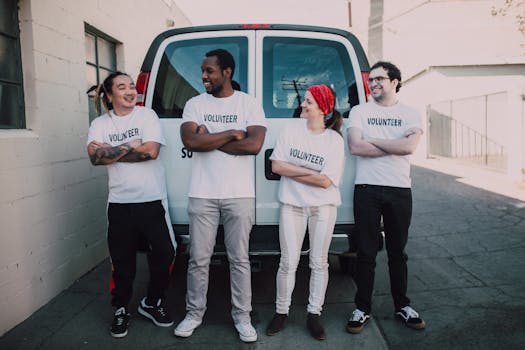 Photo: RDNE Stock project / Pexels
Embarking on the journey of establishing a nonprofit is an incredibly noble endeavor, driven by a passion to address societal needs. However, passion alone, while essential, won't sustain your mission. This is where fundraising enters as the lifeblood of any nonprofit organization, especially for beginners. For a nascent nonprofit, securing initial funding isn't just about growth; it's about survival, establishing credibility, and demonstrating the tangible impact you promise to deliver. Without a consistent influx of resources, even the most innovative and vital initiatives can falter.
Many new nonprofits mistakenly believe that their profound cause will automatically attract donations. While a compelling mission is indeed a strong starting point, it's the strategic and consistent effort in fundraising that translates that mission into actionable programs and services. Fundraising for beginners isn't about asking for charity; it's about inviting individuals, businesses, and foundations to invest in a shared vision for a better world. It’s about building a community of supporters who believe in your work as much as you do.
Moreover, successful early fundraising builds momentum. It provides the initial capital to cover operational costs, launch pilot programs, and hire essential staff. It also serves as a critical proof point when applying for larger grants or seeking corporate partnerships down the line. Donors, particularly institutional ones, look for organizations that can demonstrate a track record of attracting support and managing funds effectively. Learning the ropes of fundraising early on, even with modest goals, sets a strong foundation for future sustainability and expansion.
It’s also important to recognize that the fundraising landscape is dynamic. What worked a decade ago might not be as effective today. Digital tools, social media, and evolving donor expectations have transformed how nonprofits connect with their supporters. For beginners, this presents both challenges and opportunities. While the sheer volume of information can be overwhelming, it also means there are more accessible and cost-effective ways to get started. Understanding these shifts and adapting your strategies accordingly is crucial.
Ultimately, mastering the art of fundraising is an indispensable skill for any nonprofit leader. It’s not just about securing money; it’s about storytelling, relationship building, strategic planning, and demonstrating accountability. By embracing fundraising as a core component of your nonprofit's operations from day one, you equip your organization with the means to not only survive but to thrive and make a lasting difference in the communities you serve. This initial investment in learning and applying sound fundraising principles will pay dividends for years to come, ensuring your mission has the resources it needs to flourish. Understanding the fundamental role fundraising plays in the life cycle of a nonprofit is the first step toward building a resilient and impactful organization. For more insights on building a strong foundation, consider exploring resources on
how to start a nonprofit.
It's not just about the money; it's about building a robust ecosystem of support around your mission. This ecosystem includes not only financial donors but also volunteers, advocates, and community partners, all of whom are attracted by a clear vision and the demonstrated ability to achieve goals. Fundraising activities, even small ones, serve as excellent opportunities to engage these various stakeholders and broaden your support base. Don't view fundraising as a necessary evil, but rather as an integral part of your outreach and impact strategy. Embrace it as a chance to share your story and inspire others to join your cause, transforming passive interest into active participation and vital financial contributions.
Simple & Effective Fundraising Ideas for New Nonprofits
 Photo: Gustavo Fring / Pexels
For beginners, the key to successful fundraising lies in simplicity, accessibility, and leveraging existing networks. You don't need a massive budget or a team of professional fundraisers to get started. Many effective strategies can be implemented with minimal resources, focusing on engaging your immediate community and telling your story compellingly.
**1. Peer-to-Peer Fundraising:** This is arguably one of the most accessible and powerful methods for new nonprofits. It involves empowering your most passionate supporters (board members, volunteers, initial advocates) to create their own fundraising pages and solicit donations from their personal networks. Platforms like Classy, GiveCampus, or even simple Facebook Fundraisers make this incredibly easy. The trust factor inherent in a personal ask from a friend or family member often yields higher donation rates. Provide your peer-to-peer fundraisers with clear messaging, compelling visuals, and easy-to-share links.
**2. Online Donation Page & Social Media Campaigns:** At the absolute minimum, every nonprofit needs a dedicated, easy-to-find online donation page. Use platforms like PayPal, Stripe, or specific nonprofit tools like Donorbox or Network for Good. Promote this link relentlessly across all your social media channels. Craft short, impactful campaigns around specific needs or milestones. For example, a 'Help us buy 10 essential kits' campaign is more tangible than a general 'Donate to our cause' appeal. Utilize compelling images and short videos to tell your story quickly.
**3. Small-Scale Community Events:** Think local and manageable. A bake sale, a car wash, a community yard sale, a 'dine and donate' partnership with a local restaurant, or a fun run/walk are excellent ways to engage the local community, raise a small amount of funds, and build awareness. These events are not just about the money; they are invaluable for recruiting volunteers, finding new supporters, and putting a face to your organization. Start small, track your successes, and learn what resonates with your community.
**4. Merchandise Sales:** Design simple merchandise like t-shirts, tote bags, or stickers with your logo and a powerful slogan. Sell these at community events, online, or through local partnerships. This not only generates revenue but also creates visible advocates for your cause. People love to support causes they care about, and wearing or using branded items is a great way to show that support while spreading awareness.
**5. Recurring Donor Programs:** Even small monthly donations add up significantly over time and provide predictable revenue. Make it easy for donors to sign up for recurring gifts on your donation page. Highlight the impact of a monthly gift, e.g., 'Your $10/month provides X service to Y people.' This stable income stream is crucial for long-term planning and operational stability.
**6. Sponsorships (Local Businesses):** Approach local businesses that align with your mission. Start by asking for in-kind donations (e.g., event space, food, printing services) or small cash sponsorships for specific events or programs. This is a great way to build relationships with the business community and can lead to larger partnerships down the road. Clearly articulate the benefits for the sponsor, such as local publicity or opportunities for employee engagement.
By focusing on these accessible and impactful methods, new nonprofits can quickly build their fundraising muscles, secure essential resources, and begin to make a tangible difference. Remember, consistency and clear communication are your best allies.
Crafting Your Message: Storytelling for Donor Engagement
 Photo: Pavel Danilyuk / Pexels
In the crowded nonprofit landscape, simply having a good cause isn't enough to capture donor attention. Your ability to tell a compelling story is paramount, especially for beginners trying to establish a foothold. Storytelling isn't just about recounting facts; it's about evoking emotion, illustrating impact, and creating a connection between your mission and the potential donor. A well-crafted narrative transforms a statistical need into a human experience, making your cause relatable and inspiring action.
**1. Identify Your Core Narrative:** What is the single most important message you want donors to take away? Is it about empowering a vulnerable population, protecting a local environment, or fostering education? Distill your mission into a concise, powerful statement that forms the backbone of all your communications. This core narrative should be consistent across your website, social media, and fundraising appeals.
**2. Focus on Individual Stories:** While statistics can highlight the scope of a problem, individual stories reveal its human dimension. Share the story of one person, one family, or one area that your nonprofit has directly impacted. Use vivid details, quotes, and even photos (with permission) to bring these stories to life. For instance, instead of saying, 'We feed 100 people,' say, 'Meet Maria, a single mother who, thanks to your support, received nourishing meals for her children for the first time in weeks.' This personal touch makes the impact tangible.
**3. Highlight the Problem and Your Solution:** Clearly articulate the problem your nonprofit is addressing. Don't shy away from presenting the challenge, but always pivot quickly to how your organization provides a unique and effective solution. Donors want to know their contribution will make a difference. Explain *how* their money will be used to create that solution. Transparency builds trust.
**4. Emphasize Donor Impact:** Crucially, connect the donor directly to the positive change. Instead of 'We achieved X,' frame it as 'Because of your support, we achieved X.' Use phrases like 'Your donation enables,' 'With your help,' or 'You make it possible.' Donors want to feel like partners in your mission, not just ATM machines. Show them they are heroes in your story.
**5. Use Multiple Storytelling Mediums:** Don't limit yourself to written text. Short videos, compelling images, infographics, and even podcasts can be incredibly effective storytelling tools. A 60-second video featuring a beneficiary's testimony can be far more impactful than a lengthy email. Leverage social media platforms to share these stories regularly and authentically.
**6. Authenticity and Transparency:** Be genuine in your storytelling. Don't exaggerate or sensationalize. Donors are savvy and can detect insincerity. Be transparent about your challenges and successes. Share both the triumphs and the ongoing needs. This builds a foundation of trust that encourages long-term support.
Mastering the art of storytelling is not just a marketing tactic; it's a fundamental approach to building meaningful relationships with your donor base. It transforms your mission from an abstract concept into a relatable, urgent, and inspiring call to action, ensuring your nonprofit resonates deeply with those who can help you make a difference. For additional resources on effective communication, explore best practices for
nonprofit marketing strategies.
Remember, your story is your most powerful asset. It's what will differentiate you, inspire loyalty, and ultimately drive the financial support necessary to achieve your goals. Invest time in refining your narrative, gathering compelling testimonials, and presenting your work in a way that truly moves people to act. Every interaction is an opportunity to tell your story and reinforce why your work matters.
Common Fundraising Mistakes & How to Avoid Them
 Photo: RDNE Stock project / Pexels
For beginners, fundraising can feel like navigating a minefield. While enthusiasm is crucial, avoiding common pitfalls can save time, effort, and prevent donor fatigue. Understanding these mistakes upfront helps you build a more robust and sustainable fundraising strategy.
**1. Lack of a Clear Ask:**
* **Mistake:** Sending out general appeals without specifying what you need money for or how much. Donors are left guessing, making them less likely to give.
* **Avoid:** Always have a clear, specific call to action. "Donate $25 to provide a meal kit" is far more effective than "Donate to our cause." Quantify the impact of different donation levels.
**2. Neglecting Donor Stewardship:**
* **Mistake:** Focusing solely on acquiring new donors and forgetting to thank and engage existing ones. This leads to high donor churn.
* **Avoid:** Implement a robust thank-you process immediately. Send personalized thank-you notes, emails, or even calls. Share updates on the impact their donation made. Regular, meaningful communication fosters loyalty and encourages repeat giving.
**3. Inconsistent Communication:**
* **Mistake:** Only reaching out when you need money, or communicating sporadically. This makes your nonprofit seem opportunistic.
* **Avoid:** Maintain a consistent communication schedule (e.g., monthly newsletter, quarterly impact report). Share success stories, volunteer spotlights, and program updates. Build a relationship before you ask for money.
**4. Over-reliance on a Single Fundraising Method:**
* **Mistake:** Putting all your eggs in one basket, like only doing one annual event or relying solely on grants. If that method fails, your funding dries up.
* **Avoid:** Diversify your fundraising portfolio. Combine online appeals, small events, recurring donor programs, and potentially small grants. A mix ensures stability and reaches a broader donor base.
**5. Poor Storytelling (or No Story at All):**
* **Mistake:** Presenting only facts and figures without connecting them to human impact. Donors give to causes that resonate emotionally.
* **Avoid:** Master the art of storytelling. Share testimonials, use vivid imagery, and focus on the personal impact of your work. Show, don't just tell, the difference you're making.
**6. Not Making it Easy to Donate:**
* **Mistake:** Having a complicated, slow, or non-mobile-friendly donation process. Every extra click is a deterrent.
* **Avoid:** Ensure your online donation page is intuitive, mobile-responsive, and requires minimal steps. Offer multiple payment options. Test the process yourself.
**7. Failing to Set Realistic Goals:**
* **Mistake:** Setting overly ambitious targets without a clear plan or sufficient resources, leading to burnout and disappointment.
* **Avoid:** Start with achievable, measurable goals. Break down larger goals into smaller, manageable steps. Celebrate small victories and learn from challenges.
By being mindful of these common missteps, new nonprofits can approach fundraising with greater confidence and effectiveness, building a solid foundation for long-term success.
