
Mastering Nonprofit Accounting Best Practices for Impact

Volunteer organizing donation boxes with clothes and supplies for charity.Photo: Gustavo Fring / Pexels

Mastering Nonprofit Accounting Best Practices for Impact

Implement robust financial strategies to safeguard your mission and amplify your organization's positive change.

Download Guide Now

Key Takeaways

  • ✓ Nonprofits must adhere to GAAP (Generally Accepted Accounting Principles), specifically ASC 958.
  • ✓ Fund accounting is crucial for tracking restricted vs. unrestricted funds accurately.
  • ✓ Regular financial reporting, including Form 990, is mandatory for transparency and compliance.
  • ✓ Strong internal controls are essential to prevent fraud and errors.

How It Works

1
Understand Fund Accounting

Nonprofits categorize funds based on donor-imposed restrictions. This ensures resources are used as intended and provides clear financial stewardship.

2
Implement Robust Internal Controls

Establish policies and procedures to safeguard assets, ensure accuracy of financial data, and promote operational efficiency. Segregation of duties is a cornerstone here.

3
Maintain Accurate Records

Keep detailed and organized financial records for all transactions. This supports audit readiness, accurate reporting, and informed decision-making.

4
Regular Financial Reporting

Prepare and review financial statements (Statement of Financial Position, Activities, Cash Flows) regularly. This provides stakeholders with vital insights into the organization's financial health.

The Foundation of Nonprofit Financial Health: Understanding Fund Accounting Principles

Close-up of American dollar bills and coins on a journal with a pen, representing budget planning.Photo: www.kaboompics.com / Pexels
At the core of all sound nonprofit accounting best practices lies a deep understanding and diligent application of fund accounting principles. Unlike for-profit entities that focus primarily on profit generation, nonprofits operate with a mission-driven purpose, often relying on various funding sources, many of which come with specific donor-imposed restrictions. Fund accounting is a specialized system designed precisely to track and report these resources, ensuring that funds are utilized according to their intended purpose. This isn't merely a suggestion; it's a fundamental requirement for transparency, compliance, and maintaining public trust. Fund accounting essentially segments an organization's financial resources into distinct categories, or 'funds,' based on their source and any associated restrictions. The primary classifications typically include unrestricted funds, temporarily restricted funds, and permanently restricted funds. Unrestricted funds are those that can be used for any purpose consistent with the organization's mission, at the discretion of the governing board. Temporarily restricted funds have donor-imposed stipulations that expire over time (e.g., funds for a specific program in a given year) or upon the completion of a specific action (e.g., building a new facility). Permanently restricted funds, such as endowments, are those for which the principal must remain intact in perpetuity, with only the investment income available for use. Properly managing these distinct fund categories is paramount. Misclassifying funds or using restricted funds for unintended purposes can lead to severe consequences, including reputational damage, loss of donor confidence, and even legal repercussions. Organizations must establish clear policies and procedures for identifying, tracking, and reporting on these different fund types. This includes meticulous record-keeping for every donation, grant, and revenue stream, noting any restrictions at the point of receipt. Accounting software specifically designed for nonprofits often includes robust fund accounting modules, which can significantly simplify this complex task. Regular reconciliation of fund balances and detailed reporting on their use are also critical. Beyond compliance, a well-executed fund accounting system provides invaluable insights for strategic planning, allowing leadership to understand precisely what resources are available for general operations versus specific programs. This clarity empowers better decision-making and more effective resource allocation, ultimately strengthening the organization's ability to achieve its mission. For more detailed insights into managing funds, explore our guide on nonprofit financial strategies.

Ensuring Integrity: Implementing Robust Internal Controls and Policies
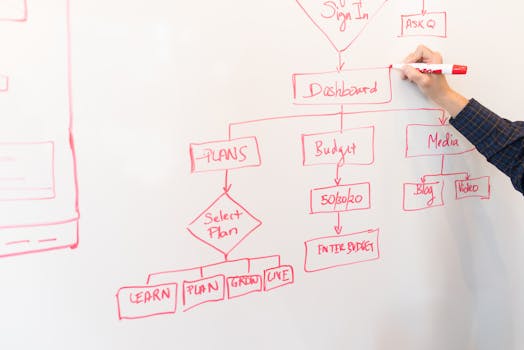
A person creates a flowchart diagram with red pen on a whiteboard, detailing plans and budgeting.Photo: Christina Morillo / Pexels
One of the most critical nonprofit accounting best practices revolves around the establishment and enforcement of robust internal controls. Internal controls are the policies and procedures implemented by an organization to safeguard its assets, ensure the accuracy and reliability of its financial data, promote operational efficiency, and encourage adherence to management's prescribed policies. For nonprofits, where public trust and donor confidence are paramount, strong internal controls are not just good practice; they are indispensable for preventing fraud, errors, and mismanagement. The cornerstone of effective internal controls is the segregation of duties. This principle dictates that no single individual should have complete control over a financial transaction from beginning to end. For example, the person who authorizes a payment should not be the same person who prepares the check, nor should they be the one who reconciles the bank statement. By dividing responsibilities among multiple individuals, the risk of fraud or error is significantly reduced, as it would require collusion to bypass the controls. Common areas for segregation of duties include cash receipts, cash disbursements, payroll, and general ledger entries. Beyond segregation of duties, other vital internal controls include requiring dual signatures on checks above a certain threshold, implementing approval hierarchies for expenses, conducting regular bank reconciliations by an independent party, and performing periodic physical inventories of assets. Financial policies should be clearly documented, communicated to all relevant staff, and regularly reviewed and updated. These policies should cover areas such as expense reimbursement, purchasing, cash handling, and budget management. Regular internal audits or reviews, even if informal, can help identify weaknesses in existing controls and ensure that policies are being followed. For smaller nonprofits with limited staff, achieving full segregation of duties can be challenging. In such cases, alternative compensating controls become crucial. This might involve increased oversight by the board treasurer, regular review of financial statements by an independent board committee, or utilizing external accounting services for certain functions like payroll processing or bank reconciliations. The goal is always to create an environment of accountability and transparency, minimizing opportunities for misuse of funds and protecting the organization's financial health and reputation. Implementing these controls demonstrates a commitment to responsible stewardship, which is highly valued by donors and regulatory bodies alike.

Reporting for Transparency: Mastering Financial Statements and Form 990 Compliance

Financial charts and office supplies on a wooden desk, featuring a magnifying glass and US Mail lunchbox.Photo: RDNE Stock project / Pexels
Transparency is a cornerstone of public trust for any nonprofit organization, and mastering financial statements and Form 990 compliance stands out as a critical element among nonprofit accounting best practices. These reporting mechanisms are not merely bureaucratic hurdles; they are vital tools for demonstrating accountability to donors, grantors, beneficiaries, and the public. Accurate and timely financial reporting provides a clear picture of an organization's financial health, operational efficiency, and adherence to its mission. The primary financial statements for nonprofits, prepared in accordance with GAAP (Generally Accepted Accounting Principles) and specifically ASC 958, include the Statement of Financial Position (Balance Sheet), Statement of Activities (Income Statement), and Statement of Cash Flows. The Statement of Financial Position provides a snapshot of the organization's assets, liabilities, and net assets (equity) at a specific point in time, categorized by unrestricted, temporarily restricted, and permanently restricted net assets. The Statement of Activities reports revenues, expenses, gains, and losses over a period, showing how net assets have changed. This statement is crucial for demonstrating how funds were utilized in support of programs and administrative functions. The Statement of Cash Flows details the cash inflows and outflows from operating, investing, and financing activities, offering insights into liquidity. Beyond internal and stakeholder-specific reporting, the IRS Form 990 series (990, 990-EZ, 990-PF, etc.) is the annual information return that most tax-exempt organizations must file. This form is publicly available and serves as a primary source of information for donors, grantmakers, and the general public to evaluate a nonprofit. The Form 990 requires detailed disclosures about an organization's mission, programs, governance, executive compensation, and financial activities. Accurate and complete Form 990 filing is non-negotiable for maintaining tax-exempt status and public confidence. Errors or omissions can lead to penalties, loss of tax-exempt status, and severe reputational damage. Preparing these financial reports and the Form 990 requires meticulous record-keeping and a thorough understanding of nonprofit specific accounting rules. It's often advisable for nonprofits to engage with experienced nonprofit accountants or auditors to ensure compliance and accuracy. Regular internal review of financial data throughout the year can prevent last-minute rushes and costly errors during year-end reporting. Furthermore, presenting these reports in an understandable and accessible manner, perhaps with accompanying narratives or dashboards, can significantly enhance transparency and build stronger relationships with all stakeholders. For further guidance on compliance, see our resource on nonprofit compliance essentials.

Common Pitfalls and Essential Tips for Nonprofit Financial Management

Volunteer organizing donation boxes with clothes and supplies for charity.Photo: Gustavo Fring / Pexels
Even with the best intentions, nonprofits can fall into common accounting pitfalls that jeopardize their mission and sustainability. Being aware of these challenges and implementing proactive strategies is a key aspect of nonprofit accounting best practices. Avoiding these mistakes can save significant time, resources, and potential legal issues. **Common Pitfalls to Avoid:** * **Lack of Segregation of Duties:** Especially in smaller organizations, one person may handle too many financial functions, increasing fraud risk. * **Inadequate Record-Keeping:** Poorly organized or incomplete records make audits difficult, hinder reporting, and obscure financial health. * **Mismanaging Restricted Funds:** Using restricted funds for unrestricted purposes is a serious breach of trust and compliance. * **Ignoring Budgeting:** Operating without a well-defined and regularly reviewed budget leads to overspending and financial instability. * **Neglecting Internal Controls:** Failing to establish and enforce policies for approvals, disbursements, and cash handling opens the door to errors and fraud. * **Late or Incorrect Form 990 Filings:** This can result in penalties, loss of tax-exempt status, and damage to reputation. * **Not Understanding GAAP for Nonprofits:** Applying for-profit accounting rules can lead to misrepresentation of financial statements. * **Insufficient Cash Flow Management:** Even profitable nonprofits can fail without adequate cash on hand to meet immediate obligations. **Essential Tips for Success:** * **Invest in Nonprofit-Specific Accounting Software:** Solutions like QuickBooks for Nonprofits, Sage Intacct, or Blackbaud Financial Edge NXT are designed to handle fund accounting and reporting needs. * **Develop a Comprehensive Budget:** Create an annual budget and monitor actual performance against it monthly or quarterly. Involve program managers in this process. * **Establish a Strong Finance Committee:** A board committee with financial expertise can provide oversight, review financial statements, and guide strategic financial decisions. * **Conduct Regular Financial Reviews:** Have an independent party (e.g., board treasurer, external accountant) review bank reconciliations and financial statements. * **Train Staff on Financial Policies:** Ensure all relevant staff understand their roles in financial processes and the importance of compliance. * **Maintain an Audit Trail:** Document all transactions thoroughly, including approvals, receipts, and invoices, to provide clear evidence for auditors. * **Plan for Audits:** Be prepared for annual financial audits by organizing records and responding promptly to auditor requests. * **Stay Updated on Regulations:** Tax laws and accounting standards change. Regularly consult with legal and accounting professionals to ensure ongoing compliance. * **Focus on Cash Flow:** Monitor cash inflows and outflows diligently, forecasting future cash needs to prevent liquidity crises. * **Cultivate a Culture of Transparency:** Encourage open communication about financial matters within the organization and with stakeholders.

Comparison

FeatureDedicated Nonprofit SoftwareGeneral Small Business Software (e.g., Basic QuickBooks)Manual Spreadsheet System
Fund Accounting✓ (Built-in, automated)✗ (Requires extensive workarounds)✗ (Highly prone to error)
Grant Management✓ (Tracking, reporting)Partial (Custom fields needed)✗ (Labor-intensive, manual)
IRS Form 990 Reporting✓ (Automated data compilation)Partial (Manual data extraction)✗ (Completely manual)
Transparency & ComplianceHigh (Designed for standards)Moderate (Requires expert input)Low (High risk of errors)
ScalabilityHigh (Grows with organization)Moderate (Limited for complex needs)Low (Not sustainable for growth)

What Our Readers Say

5 ★★★★★

"Implementing these nonprofit accounting best practices transformed our financial department. We now have a clearer picture of our restricted funds and our Form 990 preparation is much smoother."

5 ★★★★★

"The emphasis on internal controls was a game-changer for our small team. We feel much more secure in our financial processes and our donors appreciate the added transparency."

5 ★★★★★

"Following the advice on fund accounting allowed us to successfully secure a major grant, as we could demonstrate precise stewardship of previous funds. Our audit was flawless this year!"

4 ★★★★☆

"The guide was incredibly comprehensive, though some of the software recommendations felt a bit out of reach for our very small startup nonprofit. Still, the principles are invaluable."

5 ★★★★★

"As a board treasurer, I found this resource essential for guiding our organization's financial strategy. It helped us identify areas for improvement and strengthened our overall financial governance."

Frequently Asked Questions

What is the single most important nonprofit accounting best practice?
While many practices are crucial, the single most important is undoubtedly the meticulous application of fund accounting principles. This ensures that donor-restricted funds are used precisely as intended, maintaining trust, complying with regulations, and accurately reflecting the organization's financial position and activities.
My nonprofit is very small. Do we really need complex internal controls?
Yes, even small nonprofits need internal controls, perhaps even more so due to limited staff. While full segregation of duties might be challenging, compensating controls like board oversight, independent reviews of bank statements, and clear approval processes are essential to prevent errors and protect assets.
How often should a nonprofit review its financial statements?
Nonprofits should ideally review their financial statements monthly. This allows for timely identification of discrepancies, monitoring of budget adherence, and proactive decision-making. At a minimum, quarterly reviews by the board or finance committee are strongly recommended.
What is the typical cost for nonprofit accounting software?
The cost of nonprofit accounting software varies widely based on features, user count, and organization size. Basic cloud-based solutions can range from $50-$200 per month, while more robust enterprise-level systems might be several hundred to over a thousand dollars monthly. Many offer nonprofit discounts.
Is using a general business accounting software like QuickBooks sufficient for a nonprofit?
While QuickBooks Desktop Pro or Premier for Nonprofits can work for smaller organizations with simple needs, general business software often lacks built-in fund accounting capabilities. This requires significant manual workarounds and increases the risk of errors. Dedicated nonprofit software is generally a better long-term solution as the organization grows.
Who within a nonprofit organization is responsible for ensuring accounting best practices are followed?
Ultimately, the board of directors holds the fiduciary responsibility for ensuring accounting best practices. Day-to-day implementation falls to the finance department (CFO, Controller, Bookkeeper), while the executive director oversees the overall financial health and ensures resources are available for compliance and sound management.
What are the biggest risks of not following nonprofit accounting best practices?
The biggest risks include loss of donor trust and funding, potential legal penalties (including loss of tax-exempt status from the IRS), financial mismanagement leading to insolvency, fraud, and a damaged reputation. These can severely hinder an organization's ability to achieve its mission.
How will technology impact nonprofit accounting best practices in the future?
Future trends suggest increased adoption of cloud-based AI-powered accounting software for enhanced automation, predictive analytics, and real-time reporting. Blockchain technology may also play a role in ensuring transparency for donor-restricted funds, further strengthening accountability and trust in the nonprofit sector.

Embracing these nonprofit accounting best practices is not just about compliance; it's about empowering your mission. By ensuring financial integrity and transparency, you build trust, attract more support, and maximize your impact. Start implementing these strategies today to secure your organization's future and amplify its positive change.

Topics: nonprofit accounting best practicesfund accounting principlesnonprofit financial managementIRS 990 compliancerestricted funds management
Leo List
Brampton weed
Adultwork