
How to Write a Grant Proposal for Nonprofits: Your Ultimate Guide
Unlock the secrets to crafting compelling grant proposals that secure vital funding for your organization's impactful work.
Start Funding Your MissionKey Takeaways
- ✓ Grant funding is a competitive but crucial revenue stream for nonprofits.
- ✓ A well-structured proposal clearly articulates need, solution, and impact.
- ✓ Thorough research of potential funders is as important as the proposal itself.
- ✓ Storytelling, data, and a strong budget are essential components.
How It Works
Before writing, find foundations or corporations whose missions align with yours. This strategic matching significantly increases your chances of success.
Clearly articulate your organization's mission, the problem you address, and the specific solution your project offers. Use powerful storytelling to engage the reader.
Break down all project costs accurately and transparently, demonstrating fiscal responsibility. Justify each expense to show how funds will be utilized effectively.
Proofread meticulously for errors and ensure all guidelines are met before submission. Consider having a fresh pair of eyes review your entire proposal.
Understanding the Foundation of Grant Writing for Nonprofits
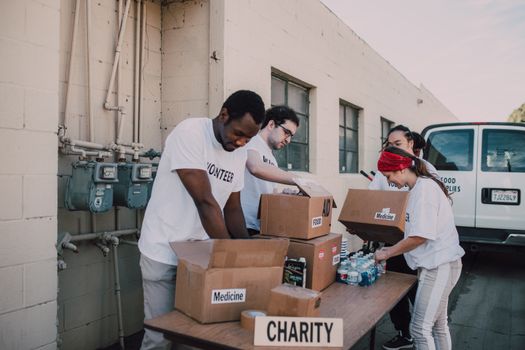 Photo: RDNE Stock project / Pexels
Structuring Your Grant Proposal: Essential Components and Best Practices
 Photo: RDNE Stock project / Pexels
Crafting a Winning Narrative and Budget for Maximum Impact
 Photo: Gustavo Fring / Pexels
Common Mistakes to Avoid and Tips for Grant Proposal Success
 Photo: Max Fischer / Pexels
Comparison
| Proposal Section | Key Purpose | Common Pitfall | Success Tip |
|---|---|---|---|
| Executive Summary | Overview, Hook | Too long or vague | Concise, compelling, 1 page max |
| Statement of Need | Justify Problem | Lack of data/evidence | Use local data and anecdotes |
| Project Description | Detail Solution | Unclear goals/activities | SMART objectives, detailed plan |
| Budget | Financial Plan | Unjustified expenses | Detailed, realistic, transparent |
| Evaluation Plan | Measure Impact | Vague metrics | Clear, measurable outcomes |
What Readers Say
"This guide on how to write a grant proposal for nonprofits completely transformed our approach. We went from sporadic applications to a structured strategy, and it paid off with our first major grant!"
Sarah J. · Austin, TX"As a new development director, I felt overwhelmed. This resource broke down how to write a grant proposal for nonprofits into manageable steps, making the process much less daunting."
Michael D. · Chicago, IL"Following the advice in this article, we secured a $50,000 grant for our youth mentorship program. The focus on storytelling and budget justification was incredibly helpful."
Emily R. · Denver, CO"The insights into funder research were particularly valuable. While we didn't get every grant, our success rate definitely improved after implementing these strategies on how to write a grant proposal for nonprofits."
David L. · Miami, FL"Our small arts nonprofit struggled with funding. This guide provided a clear roadmap on how to write a grant proposal for nonprofits, leading to our first successful application from a local foundation."
Jessica P. · Seattle, WAFrequently Asked Questions
What is the most important element of a grant proposal for nonprofits?
While all elements are crucial, the 'Statement of Need' combined with a clear 'Project Description' and a strong 'Executive Summary' are arguably the most important. These sections must clearly articulate the problem, your solution, and why your organization is uniquely qualified to solve it, compelling the funder to read further and consider your request seriously.
Is it possible for a brand-new nonprofit to secure grant funding?
Yes, it is possible, but often more challenging. New nonprofits may lack a track record. Focus on demonstrating strong leadership, a clear mission, a well-researched need, and a realistic plan for implementation and evaluation. Some funders specifically support emerging organizations, so targeted research is key.
How do I find appropriate grant opportunities for my nonprofit?
Start by researching online databases like Candid (formerly Foundation Center), GrantStation, or instrumentl. Look at the websites of local community foundations and corporate giving programs. Network with other nonprofits in your area, and consider subscribing to grant alert services. Always prioritize funders whose mission aligns with yours.
What is a typical grant budget percentage for administrative costs?
There isn't a single 'typical' percentage, as it varies widely by funder and project. However, many foundations prefer administrative or indirect costs to be between 10-20% of the total grant request. Some government grants may allow up to 15%. Always check the specific funder's guidelines, as some have strict caps or even exclude administrative costs entirely.
How does a grant proposal differ from other fundraising appeals?
A grant proposal is a formal, detailed, and often highly structured document submitted to institutional funders (foundations, corporations, government agencies) for specific projects or general operating support. It differs from individual donor appeals, which are typically shorter, more emotionally driven, and focused on broader organizational needs rather than specific project budgets and evaluations.
Who should be involved in writing a grant proposal for nonprofits?
Ideally, grant proposal writing is a collaborative effort. Key stakeholders should include program staff (who understand the project details), financial staff (for budget accuracy), executive leadership (for organizational vision and approval), and a dedicated grant writer or development professional (for crafting the narrative and ensuring compliance).
What if my grant proposal is rejected?
Rejection is a normal part of the grant writing process. Don't be discouraged. First, review the feedback provided by the funder, if any. Use this feedback to improve future proposals. Re-evaluate your funder match, strengthen weak sections, and consider if the project needs refinement. Persistence and continuous learning are vital.
Are there any emerging trends in grant funding for nonprofits?
Yes, several trends are emerging. These include an increased focus on equity and racial justice, greater emphasis on measurable impact and data-driven results, a move towards trust-based philanthropy (which can mean less restrictive reporting), and a growing interest in collaborative projects and collective impact initiatives. Funders are also increasingly looking at an organization's commitment to diversity, equity, and inclusion.
Mastering how to write a grant proposal for nonprofits is an invaluable skill that can transform your organization's ability to serve its community. By applying the strategies outlined in this guide, you can craft compelling, well-structured proposals that resonate with funders and secure the vital resources needed to achieve your mission. Start your journey towards successful grant funding today and make a lasting impact.