How to Use Binkdate for Beginners: Nonprofit Fundraising
How to Use Binkdate for Beginners

How to Use Binkdate for Beginners: Nonprofit Fundraising

Unlock powerful donor management and event fundraising for your nonprofit with this comprehensive beginner's guide to Binkdate.

Start Your Binkdate Journey

Key Takeaways

  • ✓ Binkdate simplifies donor management and communication for nonprofits.
  • ✓ It offers robust tools for event creation, ticketing, and promotion.
  • ✓ Automated donor segmentation helps tailor outreach efforts.
  • ✓ Integrated analytics provide insights into fundraising performance.

How It Works

1
Set Up Your Nonprofit Profile

Create your organization's account, detailing your mission and contact information. This establishes your presence and branding within the Binkdate platform.

2
Import Donor Data

Seamlessly upload your existing donor database to centralize contact information and giving history. Binkdate helps you organize and understand your supporter base.

3
Create Your First Event or Campaign

Utilize Binkdate's intuitive tools to design fundraising events, ticketing, and donation pages. Customize branding and set fundraising goals with ease.

4
Engage & Analyze

Communicate with donors through integrated messaging and track campaign performance in real-time. Use analytics to refine strategies and boost future fundraising success.

Understanding Binkdate's Core Features for Nonprofits

Close-up of colored pencils on an analytics report for education or business purposes. Photo: RDNE Stock project / Pexels
For many nonprofits, the challenge isn't just about finding donors, but effectively managing relationships, streamlining fundraising efforts, and demonstrating impact. This is precisely where a platform like Binkdate becomes invaluable. If you're wondering how to use Binkdate for beginners, starting with its core features is paramount. Binkdate isn't merely a donor database; it's a comprehensive ecosystem designed to empower your nonprofit from initial outreach to post-event follow-up. At its heart, Binkdate offers robust donor management capabilities. This means you can centralize all donor information, including contact details, donation history, communication logs, and even personal preferences. This unified view allows your team to understand each donor's journey with your organization, facilitating more personalized and impactful engagement. Instead of scattered spreadsheets and disparate notes, everything lives in one secure, accessible place. Beyond donor management, Binkdate excels in event management. Nonprofits frequently rely on events – galas, walks, online campaigns, volunteer drives – to raise funds and awareness. Binkdate provides tools to create, promote, and manage these events from start to finish. You can design custom event pages, sell tickets, manage RSVPs, and even facilitate silent auctions or peer-to-peer fundraising directly within the platform. The ability to integrate event specifics with your donor database means you can track who attended what, how much they donated, and tailor future communications based on their participation. This holistic approach ensures no donor interaction is lost and every event contributes to a deeper relationship. Another critical feature for any nonprofit is communication. Binkdate offers integrated communication tools that allow you to send targeted emails, newsletters, and updates directly to your segmented donor lists. Imagine being able to send a personalized thank-you email to all attendees of your last gala with just a few clicks, or update volunteers about an upcoming project. This level of direct and segmented communication is vital for maintaining donor loyalty and keeping your community informed and engaged. For more insights on effective nonprofit communication, explore this guide on nonprofit communication strategies. Finally, Binkdate provides powerful reporting and analytics. Understanding your fundraising performance isn't just about knowing how much money came in; it's about identifying trends, understanding donor behavior, and evaluating the effectiveness of your campaigns. Binkdate's dashboards offer real-time insights into donation trends, event attendance, campaign ROI, and donor retention rates. These analytics are crucial for making data-driven decisions, optimizing your fundraising strategies, and ultimately, maximizing your impact. For beginners, exploring these core features first will lay a strong foundation for leveraging Binkdate's full potential.

Setting Up Your Nonprofit on Binkdate: A Step-by-Step Guide

Group of volunteers wearing masks sorting donations with a laptop, promoting diversity and teamwork. Photo: Gustavo Fring / Pexels
Embarking on your Binkdate journey begins with a structured setup process that ensures your nonprofit is accurately represented and ready to engage. If you're a beginner asking how to use Binkdate, this step-by-step guide will walk you through the initial configuration, which is crucial for seamless operation. The first step involves creating your organizational profile. This is more than just inputting your name; it's about establishing your brand identity within the platform. You'll need to provide your nonprofit's official name, contact information, mission statement, and upload your logo. A well-crafted mission statement and a clear logo will instantly communicate your purpose to potential donors and volunteers who interact with your Binkdate pages. Ensure all information is accurate and reflects your organization's professional image. Once your basic profile is established, the next critical step is configuring your payment processing. Fundraising is at the core of Binkdate's utility, and enabling secure and efficient donation processing is non-negotiable. Binkdate typically integrates with popular payment gateways, allowing you to accept credit card donations securely. You'll need to link your nonprofit's bank account and complete any necessary verification steps with the chosen payment processor. Pay close attention to transaction fees and payout schedules, as these can impact your net fundraising revenue. Understanding these financial aspects upfront is key to effective budgeting and financial management for your campaigns. After payment processing is set up, focus on importing your existing donor data. For many nonprofits, this can feel like a daunting task, but Binkdate is designed to simplify it. Most platforms support CSV file imports, allowing you to upload donor names, contact details, past donation amounts, and other relevant historical data. Before importing, it's vital to clean and standardize your data to avoid duplicates or errors. A clean database ensures accurate segmentation and personalized communication down the line. Take your time with this step; a well-organized donor database is the backbone of successful donor relations. Finally, familiarize yourself with user roles and permissions. If you have a team, Binkdate allows you to assign different levels of access based on individual responsibilities. For instance, a volunteer coordinator might have access to volunteer lists but not financial reports, while a development director would have broader access. Properly configuring user roles ensures data security and streamlines workflows, preventing accidental changes and ensuring everyone has the tools they need without unnecessary access. This initial setup might seem extensive, but it lays the groundwork for a highly effective and organized fundraising operation.

Our partners at binkdate.net offer related services.

Maximizing Donor Engagement and Fundraising with Binkdate's Tools

Smiling volunteer holding a box labeled 'Food Aid' outside a van with 'Food Supplies' sign. Photo: RDNE Stock project / Pexels
Once your Binkdate account is set up and your data is imported, the real work of maximizing donor engagement and fundraising begins. For beginners learning how to use Binkdate, understanding how to leverage its advanced tools for communication and campaign management is crucial. One of the most powerful aspects of Binkdate is its ability to segment your donor base. Instead of sending generic messages to everyone, you can categorize donors based on various criteria: donation history (e.g., first-time donors, recurring donors, major donors), event participation, interests, or even geographic location. This segmentation allows you to craft highly personalized messages that resonate more deeply with each group, increasing the likelihood of engagement and further support. For example, you can send a specific update about your environmental protection efforts only to donors who have previously supported related campaigns. Binkdate's campaign management features are designed to support a wide range of fundraising initiatives. Whether you're planning an annual giving campaign, a peer-to-peer fundraiser, or a capital campaign, the platform provides customizable templates and tools. You can create compelling donation pages that reflect your brand, set specific fundraising goals, and track progress in real-time. The ability to integrate these campaigns seamlessly with your donor database means that every donation is immediately linked to the donor's profile, enriching your data and providing a complete giving history. This integrated approach eliminates manual data entry and reduces the chances of errors, freeing up your team to focus on outreach and relationship building. Beyond direct fundraising, Binkdate facilitates robust event promotion and management. Once your event is created, Binkdate offers tools to promote it effectively. You can easily share event links on social media, embed registration forms on your website, and send targeted email invitations to relevant donor segments. During the event, Binkdate can assist with check-ins, on-site donations, and even facilitate mobile bidding for auctions. Post-event, the platform helps you send automated thank-you messages, collect feedback, and analyze attendance and fundraising metrics. This end-to-end event solution ensures that every event is not just a fundraising opportunity, but also a chance to deepen donor relationships. To learn more about optimizing your online presence for fundraising, read about nonprofit website optimization. Finally, the reporting and analytics capabilities in Binkdate are indispensable for strategic growth. Regular review of your Binkdate dashboards will reveal which campaigns are performing best, identify your most engaged donors, and highlight areas for improvement. You can track donor retention rates, average donation amounts, and the ROI of different fundraising channels. These insights allow your nonprofit to iterate on strategies, allocate resources more effectively, and ultimately achieve greater impact. By actively using these tools, even beginners can transform their fundraising efforts from reactive to proactive and data-driven.

Common Pitfalls and Best Practices for Binkdate Beginners
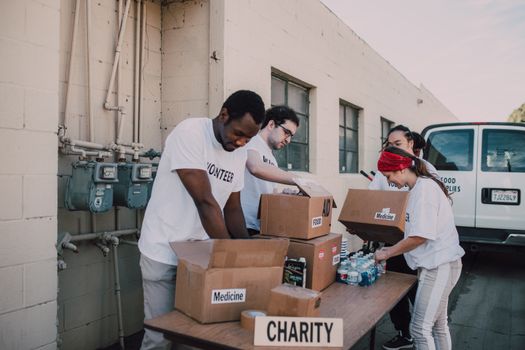
Volunteers sort and prepare donations outdoors for a charitable event. Photo: RDNE Stock project / Pexels
As you navigate how to use Binkdate for beginners, being aware of common pitfalls and adopting best practices can significantly enhance your success. Avoiding these missteps will save your nonprofit time, resources, and potential donor frustration. **Common Pitfalls:** * **Neglecting Data Hygiene:** One of the biggest mistakes is not regularly cleaning and updating your donor data. Outdated contact information, duplicate entries, or incomplete profiles can lead to ineffective communication and wasted effort. Make it a routine to review and refresh your database. * **Over-Communicating or Under-Communicating:** Sending too many emails can lead to donor fatigue, while too few can make donors feel forgotten. Find a balanced communication rhythm that keeps your audience informed without overwhelming them. Use Binkdate's segmentation to tailor frequency. * **Ignoring Analytics:** Many beginners set up campaigns but fail to analyze the results. Without reviewing performance data, you can't learn what works and what doesn't. Don't just collect data; interpret it and use it to inform future decisions. * **Lack of Personalization:** Sending generic messages to your entire donor base is a missed opportunity. Binkdate allows for deep segmentation; failing to utilize this means you're not connecting with donors on a personal level, which can reduce engagement and giving. * **Poorly Designed Donation Pages:** A complex, slow, or unbranded donation page can deter potential donors. Ensure your pages are clear, mobile-friendly, and reflect your nonprofit's branding. **Best Practices for Binkdate Beginners:** * **Start Small and Learn:** Don't try to implement every feature at once. Begin with a single campaign or event, master the tools involved, and then gradually expand your usage. This builds confidence and competence. * **Segment Your Donors Strategically:** As soon as you have sufficient data, start segmenting. Common segments include first-time donors, recurring donors, event attendees, and volunteers. This enables highly targeted and relevant communications. * **Automate Where Possible:** Binkdate offers automation features for thank-you messages, recurring donation reminders, and event follow-ups. Leverage these to save time and ensure consistent donor stewardship. * **Test and Optimize:** Before launching a major campaign, test your donation pages, email templates, and event registration forms. A/B test different subject lines or calls to action to see what yields the best results. * **Train Your Team:** Ensure everyone who uses Binkdate is properly trained on its features and your organization's data entry protocols. Consistent usage across the team ensures data integrity and maximizes the platform's utility. * **Regularly Backup Data:** While Binkdate is secure, it's always a good practice to understand their backup policies and, if possible, maintain your own periodic backups of critical donor data. This adds an extra layer of security and peace of mind.

Comparison

FeatureBinkdateCompetitor ACompetitor B
Donor ManagementComprehensiveBasicAdvanced
Event ManagementRobustLimitedGood
Email MarketingIntegratedSeparate Add-onIntegrated
Reporting & AnalyticsDetailedStandardCustomizable
Ease of Use for BeginnersHighMediumMedium
Pricing ModelTieredPer-UserFeature-Based
Customer SupportExcellentGoodStandard
Mobile Optimization

What Readers Say

"Binkdate completely transformed our annual gala planning. The ticketing system was flawless, and tracking RSVPs was incredibly easy. Our team, even those new to the software, picked it up quickly, leading to our most successful event yet."

Sarah Chen · Boston, MA

"As a small nonprofit, we struggled with donor data. Binkdate's import feature made centralizing everything a breeze. Now we can personalize our outreach, and our donor retention rates have seen a noticeable improvement."

David Rodriguez · Austin, TX

"We used Binkdate for our year-end giving campaign, and the analytics dashboard was a game-changer. We could see in real-time which emails performed best, allowing us to adjust our strategy mid-campaign and exceed our fundraising goal by 20%."

Emily White · Chicago, IL

"Binkdate has been a huge asset for our volunteer coordination. While it took a little while to customize some of the reporting for our specific needs, the core functionality for managing volunteers and events is incredibly strong."

Mark Johnson · Seattle, WA

"Switching to Binkdate from our old system was the best decision. The customer support during onboarding was exceptional, and now we spend less time on administrative tasks and more time on our mission. Highly recommend for any nonprofit."

Maria Garcia · Miami, FL

Frequently Asked Questions

What is the primary benefit of using Binkdate for a nonprofit?

The primary benefit of using Binkdate for a nonprofit is its ability to centralize and streamline donor management, event planning, and communication. This allows organizations to build stronger relationships with their supporters, execute more effective fundraising campaigns, and gain valuable insights into their impact, all from a single, integrated platform.

Is Binkdate difficult to learn for someone new to fundraising software?

Binkdate is designed with user-friendliness in mind, especially for beginners. Its intuitive interface and guided setup processes make it relatively easy to learn, even for those new to fundraising software. Comprehensive tutorials and customer support are also typically available to assist users.

How do I import my existing donor list into Binkdate?

To import your existing donor list, you will typically navigate to the 'Donors' or 'Contacts' section within Binkdate and look for an 'Import' option. Most commonly, you'll prepare your donor data in a CSV (Comma Separated Values) file format, ensuring columns are clearly labeled (e.g., 'First Name', 'Last Name', 'Email', 'Donation Amount'). Binkdate will then guide you through mapping your CSV columns to its internal fields.

What is the cost of Binkdate for nonprofits?

The cost of Binkdate for nonprofits typically varies based on factors like the number of contacts, features required, and transaction volume. Many platforms offer tiered pricing or special nonprofit discounts. It's best to consult Binkdate's official website or contact their sales team directly for specific pricing models and to see if you qualify for any nonprofit-specific plans.

How does Binkdate compare to other donor management systems?

Binkdate distinguishes itself from many other donor management systems through its robust integration of event management alongside core CRM functions. While many platforms excel in one area, Binkdate aims to provide an all-in-one solution for both donor relations and comprehensive event-based fundraising, often with a focus on user-friendliness for smaller to medium-sized nonprofits. Specific comparisons would depend on the features and pricing of alternative platforms.

Who should use Binkdate for Beginners?

Binkdate for Beginners is ideal for small to medium-sized nonprofits, emerging charities, and organizations looking to transition from manual processes or basic spreadsheets to a more integrated and professional fundraising and donor management system. It's perfect for teams seeking an accessible platform to grow their fundraising efforts.

Is my donor data safe and secure with Binkdate?

Reputable platforms like Binkdate prioritize data security and compliance. They typically employ industry-standard encryption, secure servers, and adhere to data privacy regulations (like GDPR or CCPA). Always review their privacy policy and security measures to ensure they meet your organization's standards and legal obligations.

What future trends in nonprofit fundraising does Binkdate support?

Binkdate supports future trends in nonprofit fundraising by enabling data-driven decision-making through advanced analytics, fostering personalized donor engagement through segmentation, and facilitating diverse fundraising channels including online events and peer-to-peer campaigns. It also often integrates with other digital tools, preparing nonprofits for an increasingly digital-first fundraising landscape.

Ready to transform your nonprofit's fundraising and donor engagement? Learning how to use Binkdate for beginners is your first step towards greater impact and efficiency. Explore Binkdate today and unlock your organization's full potential.

Topics: How to Use Binkdate for Beginnersnonprofit fundraising softwaredonor engagement platformevent management for nonprofitsBinkdate tutorial
Leo List
Brampton weed
Adultwork