
How to Move to Vancouver Affordably: Your Guide
move to Vancouver affordably

How to Move to Vancouver Affordably: Your Guide

Unlock the secrets to a budget-friendly move to one of Canada's most desirable, yet often perceived as expensive, cities.

Start Your Affordable Move

Key Takeaways

  • ✓ Vancouver is consistently ranked among the most livable cities globally but also one of the most expensive in North America.
  • ✓ Strategic planning for housing, transportation, and employment is crucial for an affordable move.
  • ✓ Exploring alternative housing models like co-ops or shared living can significantly reduce costs.
  • ✓ Utilizing public transit and exploring car-sharing options can save thousands annually on transportation.

How It Works

1
Research and Budget Meticulously

Before anything else, dive deep into Vancouver's cost of living for housing, food, transport, and utilities. Create a detailed budget to understand what you can realistically afford and identify areas for savings.

2
Secure Affordable Housing

Housing is the biggest expense. Focus on researching less expensive neighborhoods, consider roommates, or explore non-traditional housing options like co-ops well in advance of your move date.

3
Plan Your Job Search Strategically

Begin your job search before arriving in Vancouver, leveraging online platforms and professional networks. Having employment secured or a strong lead significantly reduces financial stress upon arrival.

4
Minimize Moving Costs

Declutter ruthlessly to reduce the volume of items you need to move, opting for smaller moving services or DIY options. Compare quotes from multiple moving companies if professional help is necessary.

Understanding Vancouver's Cost of Living: A Realistic Outlook
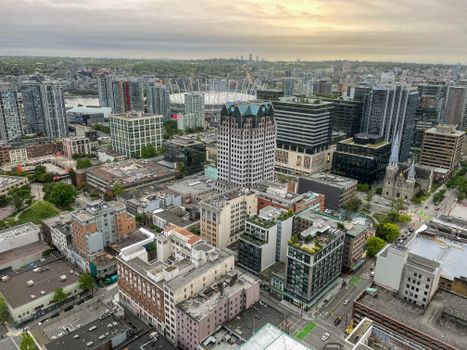
Capture of Vancouver's architectural landscape from above during sunset, highlighting urban density and city life. Photo: Sunny Lee / Pexels
Moving to a new city, especially one with a reputation for being expensive like Vancouver, requires a clear-eyed understanding of the financial landscape. While the city offers unparalleled natural beauty, a vibrant cultural scene, and a robust job market in certain sectors, its cost of living is a significant hurdle for many. Housing, in particular, stands out as the primary budget buster. Rental prices for even modest apartments can be startlingly high, and purchasing property is often out of reach for newcomers without substantial savings or high-income jobs. Beyond housing, daily expenses such as groceries, transportation, and entertainment also contribute to the overall high cost of living. For instance, a basic grocery bill can be noticeably higher than in many other North American cities, partly due to import costs and local market dynamics. Transportation, while efficient with its public transit system, still adds up, especially if you rely on monthly passes or occasional ride-shares. However, understanding these costs isn't meant to deter you but to empower you with knowledge. It allows you to set realistic expectations and, more importantly, to develop effective strategies for mitigation. Knowing that housing will be your largest expense means you can prioritize finding affordable accommodation as your top priority, perhaps even before you arrive. Similarly, recognizing the higher food costs can lead you to explore local farmers' markets, cook more at home, or seek out budget-friendly grocery stores. It's also crucial to distinguish between the average cost of living and what's possible with careful planning. Many resources online provide average cost breakdowns, but these often don't account for the creative strategies individuals employ to save money. For example, while the average rent for a one-bedroom apartment in downtown Vancouver might be over $2,500, looking at neighborhoods slightly outside the core, considering shared accommodations, or exploring housing co-operatives can drastically reduce this figure. The key is to move beyond general statistics and delve into specific, actionable ways to reduce your expenses. This involves a commitment to research, an open mind about living arrangements, and a willingness to adapt your lifestyle to fit your budget. By meticulously analyzing each category of expense – from housing and utilities to food and leisure – and then actively seeking out the most affordable options within each, you can build a comprehensive budget that makes moving to Vancouver not just a dream, but an achievable reality. This initial deep dive into the financial realities is the bedrock of an affordable move, setting the stage for every subsequent decision you make. For more detailed insights into financial planning for a big move, consider exploring resources on budgeting for relocation.

Strategic Housing Solutions: Finding Your Affordable Home

The quest for affordable housing in Vancouver is perhaps the most critical component of an economical move. The city's housing market is notoriously competitive, with low vacancy rates and high rental prices. However, despair not, as several strategic approaches can significantly improve your chances of securing a place that doesn't break the bank. One of the most effective strategies is to broaden your search beyond the city's most popular and central neighborhoods. Areas like Burnaby, New Westminster, Surrey, and Coquitlam, while slightly further out, offer more affordable rental options and are well-connected to downtown Vancouver by the SkyTrain public transit system. The commute might be longer, but the savings on rent can be substantial, often making the trade-off worthwhile. Another powerful strategy is to consider shared accommodation. Renting a room in a shared house or apartment dramatically reduces individual housing costs and can also be a great way to meet new people in a new city. Websites and social media groups dedicated to Vancouver room rentals are excellent resources for finding these opportunities. Be diligent in your search, and don't be afraid to ask for virtual tours or have a trusted contact view properties on your behalf if you're still located out of town. Beyond traditional rentals, exploring alternative housing models can unlock even greater savings. Housing co-operatives, for instance, offer a unique model where residents are members of a non-profit organization that owns the building. This often translates to lower monthly housing charges compared to market rates, as the co-op operates on a cost-recovery basis rather than for profit. While there might be a waiting list for some co-ops, the long-term financial benefits can be immense. Similarly, exploring purpose-built rental buildings that offer studios or smaller units can be more budget-friendly than larger apartments. Timing your move can also play a role. The rental market tends to be slightly less competitive during the colder months (fall and winter) compared to the peak moving season of summer. If your timeline allows, aiming for a move during these off-peak periods might give you a slight advantage in finding better deals. Furthermore, always be prepared with all necessary documentation, such as credit checks, references, and proof of income, to act quickly when an affordable option arises. The Vancouver rental market moves fast, and being prepared can make all the difference. Remember, securing affordable housing often requires a combination of patience, flexibility, and proactive searching. It's not about settling for less, but about smart compromises that align with your financial goals, ensuring your move to Vancouver is sustainable and enjoyable. For guidance on navigating rental agreements and tenant rights, a non-profit organization might offer valuable resources.

Our partners at escort advertising in Vancouver, create a Vancouver listing, Vancouver companion advertising guide offer related services.

Mastering Transportation and Daily Expenses on a Budget

Once housing is addressed, the next major areas for cost-saving are transportation and daily expenses. Vancouver boasts an excellent public transit system, TransLink, which includes buses, the SkyTrain (an automated rapid transit system), and SeaBus ferries. Embracing public transit wholeheartedly is perhaps the single most impactful way to cut down on transportation costs. A monthly Compass Card pass, while an upfront expense, offers unlimited travel across zones and is significantly cheaper than owning and maintaining a car. The costs associated with car ownership in Vancouver – including insurance (among the highest in Canada), fuel, parking, and maintenance – can easily add up to thousands of dollars annually. For those who occasionally need a car, car-sharing services like Evo or Modo provide a flexible and often more economical alternative to full ownership. These services allow you to pay by the minute, hour, or day, covering insurance and fuel costs within their rates. Beyond public transit and car-sharing, Vancouver is a highly walkable and bike-friendly city, especially in and around the downtown core and various neighborhoods. Investing in a good quality bicycle can be a fantastic way to get around, stay fit, and save money. The city has an expanding network of bike lanes and paths, making cycling a viable option for many commutes. When it comes to daily expenses, food and groceries represent a substantial portion of any budget. To counteract Vancouver's higher food prices, strategic grocery shopping is key. Explore discount grocery stores like No Frills or Superstore, and compare flyer deals from different retailers. Planning your meals, cooking at home, and bringing your lunch to work are simple habits that yield significant savings over time. Farmers' markets, while sometimes perceived as more expensive, can offer good deals on seasonal produce, especially towards the end of the market day. Entertainment and leisure don't have to be expensive either. Vancouver's natural beauty provides a wealth of free activities: hiking the numerous trails on the North Shore mountains, exploring Stanley Park, spending time at the beach, or simply enjoying the city's many public parks. Many museums offer free admission on certain days or evenings, and local libraries provide access to books, movies, and even passes to cultural institutions. Look for free community events, festivals, and outdoor concerts, especially during the warmer months. By being mindful of these everyday choices, you can enjoy all that Vancouver has to offer without constantly dipping into your savings. For tips on managing your finances effectively in a new city, check out this guide on personal finance for relocation.

Smart Moving Strategies: Tips for a Seamless and Affordable Relocation

The actual process of moving can be costly, but with careful planning, you can significantly reduce expenses. One of the most effective strategies is to declutter ruthlessly before you pack. Every item you don't take with you means less to pack, less to ship, and less to unpack. Consider selling unwanted items on local online marketplaces or donating them to charities; this can even generate a small income or tax deduction. When it comes to packing supplies, don't buy new boxes unless absolutely necessary. Local grocery stores, liquor stores, and even some offices are often happy to give away used cardboard boxes for free. For the move itself, compare quotes from multiple moving companies if you plan to hire professionals. Be wary of extremely low bids, as they might indicate hidden fees or less reliable service. Consider a 'hybrid' move where you pack yourself and hire movers just for the heavy lifting, or use a portable container service where you load and unload, and they handle the transportation. For smaller moves, or if you have a limited number of belongings, shipping items via Canada Post or a courier service might be more cost-effective than a full-service mover. Upon arrival, resist the urge to buy everything new immediately. Furnish your new home gradually, looking for deals on second-hand furniture and appliances. Websites like Craigslist, Facebook Marketplace, and local thrift stores are treasure troves for affordable items. Many Vancouver neighborhoods also have 'free stuff' groups where residents give away items they no longer need. Here are some additional tips for a seamless and affordable relocation: * **Research Utility Providers:** Understand the average costs for electricity, internet, and gas in Vancouver and compare providers if options exist. Some providers offer sign-up bonuses or bundles. * **Update Your Documentation:** Ensure your driver's license, healthcare, and other essential documents are updated to British Columbia as soon as possible to avoid complications. * **Build an Emergency Fund:** Aim to have at least 3-6 months' worth of living expenses saved before you move. This provides a crucial safety net for unexpected costs or delays in finding employment. * **Network:** Join local community groups, attend events, and connect with people in your industry. Networking can lead to job opportunities, affordable housing leads, and a stronger support system. * **Embrace Local Lifestyles:** Discover local parks, free events, and community centers. Vancouver offers a plethora of affordable activities that can enrich your experience without draining your wallet. By meticulously planning each stage of your move and being resourceful, you can significantly reduce the financial burden of relocating to Vancouver, turning a potentially stressful experience into an exciting new chapter.

Comparison

FeatureAffordable Vancouver MoveTypical Vancouver MoveLuxury Vancouver Move
HousingShared/Co-op/Outer Suburbs1-Bed Downtown/Inner SuburbsLuxury Condo/House
TransportationPublic Transit/Bike/WalkPublic Transit + Occasional Ride SharePersonal Car + Ride Share
GroceriesDiscount Stores/Meal PrepStandard SupermarketGourmet/Delivery Services
Moving CostsDIY/Partial ServiceFull-Service MoverPremium White-Glove Service
EntertainmentFree Outdoor/Community EventsOccasional Dining/Paid EventsHigh-End Dining/Frequent Concerts

What Readers Say

"I used these strategies to plan my move to Vancouver, and it made all the difference. Focusing on shared housing and public transit saved me thousands. I genuinely thought an affordable move was impossible, but this guide proved me wrong."

Sarah J. · Seattle, WA

"The advice on decluttering and finding free packing materials was invaluable. It significantly cut down my moving expenses, and I felt much more prepared for the financial realities of the city."

Mark D. · Portland, OR

"Thanks to this guide, I secured a room in a housing co-op in Burnaby. My monthly housing costs are now much lower than I anticipated, freeing up funds to explore the city without constant financial worry."

Emily R. · San Francisco, CA

"While moving was still a challenge, the comprehensive budget breakdown helped me adjust my expectations. I still spent more than I hoped, but I made informed choices and avoided major pitfalls."

David L. · Los Angeles, CA

"As someone moving for a non-profit job, every penny counts. This guide offered practical, actionable steps that aligned perfectly with my budget constraints. Highly recommend for anyone looking to make a smart move."

Jessica M. · New York, NY

Frequently Asked Questions

What is the biggest financial challenge when moving to Vancouver affordably?

The biggest financial challenge is undoubtedly housing. Vancouver has one of the most expensive rental and real estate markets in North America. Strategizing to find affordable accommodation, whether through shared living, co-ops, or less central neighborhoods, is paramount to an affordable move.

Is it realistic to move to Vancouver without a job lined up?

While some people do, it's generally not recommended for an affordable move due to the high cost of living. Having a job secured or a strong lead significantly reduces financial stress and the need to dip into savings for extended periods, especially with high rental costs.

How can I reduce transportation costs in Vancouver?

Embrace Vancouver's excellent public transit system (TransLink) with a monthly Compass Card. Prioritize walking and cycling, as the city is very bike-friendly. For occasional car needs, utilize car-sharing services like Evo or Modo instead of owning a personal vehicle to avoid high insurance and parking costs.

What are the average utility costs in Vancouver?

Utility costs vary, but you can expect to pay for electricity (Hydro), natural gas (FortisBC), and internet. For a one-bedroom apartment, electricity might range from $30-70/month, gas $20-50/month (if applicable), and internet $60-100/month. These are estimates and can fluctuate based on usage and provider.

Are there any specific neighborhoods recommended for affordable living in Vancouver?

While 'affordable' is relative, neighborhoods outside the immediate downtown core tend to be more budget-friendly. Consider areas like Burnaby, New Westminster, Surrey, Coquitlam, or parts of Richmond. These areas offer good transit links and often more spacious and cheaper rental options.

Who should use these strategies for moving to Vancouver?

Anyone looking to relocate to Vancouver on a budget, whether they are students, young professionals, individuals seeking a new start, or those simply wanting to maximize their savings. These strategies are particularly useful for those without substantial existing wealth or high-paying jobs upon arrival.

What are the risks of not planning an affordable move carefully?

Without careful planning, you risk quickly depleting your savings due to high living costs, struggling to find suitable housing, or facing financial stress that detracts from your experience. It can lead to needing to move again prematurely or taking on debt.

What are the future trends for affordable living in Vancouver?

The trend for affordability in Vancouver remains challenging, with ongoing demand. However, there's a growing focus on purpose-built rentals, co-living spaces, and continued development in surrounding municipalities to alleviate pressure. Government initiatives and non-profit housing developments also aim to increase affordable options, though progress can be slow.

Ready to make your dream of living in Vancouver a reality without breaking the bank? Utilize these comprehensive strategies and resources to plan your affordable move. Start your journey to a vibrant new life in Vancouver today, armed with the knowledge to thrive financially.

Topics: move to Vancouver affordablybudget Vancouver relocationcheap Vancouver livingVancouver cost of livingaffordable housing Vancouver
Leo List
Brampton weed
Adultwork