
Donate to Charity Near Me US: Find Your Local Impact
Connect with impactful local charities and make a tangible difference right in your own community.
Find Local CharitiesKey Takeaways
- ✓ Over 1.5 million nonprofit organizations operate in the US, offering diverse causes.
- ✓ Local donations often have a more immediate and visible impact on your community.
- ✓ Tax deductions are available for most charitable contributions to qualified 501(c)(3) organizations.
- ✓ Researching a charity's financial transparency and impact is crucial before donating.
How It Works
Consider the causes you care about most, such as education, environment, or social justice. This helps narrow your search for relevant organizations.
Use online directories, local government sites, and community boards to find charities operating in your area. Look for organizations with a clear mission and proven track record.
Check financial reports, program effectiveness, and donor reviews on sites like Charity Navigator or GuideStar. Ensure your donation will be used wisely and efficiently.
Choose your preferred donation method – monetary, in-kind, or volunteering. Confirm the charity is legitimate and receive a receipt for tax purposes.
Understanding the Landscape of Local Giving in the US
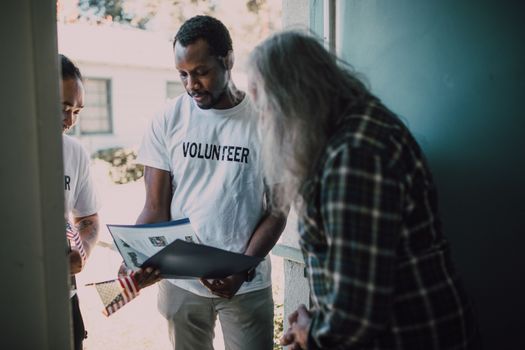 Photo: RDNE Stock project / Pexels
Furthermore, local charities are often deeply embedded within the communities they serve. They possess an intimate understanding of the specific needs, challenges, and cultural nuances of the area. This local expertise allows them to tailor their programs and services to be maximally effective, ensuring that resources are allocated where they can do the most good. They are frequently run by community members who are personally invested in the success and well-being of their neighbors, fostering a strong sense of accountability and commitment. Many local nonprofits rely heavily on volunteer support from within the community, creating a powerful network of individuals united by a common goal. This network not only provides essential labor but also builds social capital, strengthening the fabric of the community itself. When you support a nonprofit in your vicinity, you're not just giving money; you're investing in the social infrastructure and collective future of your own backyard. Understanding this intricate web of local giving is the first step toward making an informed and impactful contribution. It empowers you to move beyond generic donations and target your generosity where it truly matters most to you and your community. The sheer volume of organizations means that whatever your passion, there's likely a local charity dedicated to it.
Navigating Your Options: How to Find Reputable Local Charities
 Photo: Gustavo Fring / Pexels
Beyond these national evaluators, delve into local resources. Your city or county government website might list local service providers or offer directories of registered nonprofits. Community foundations, often found in larger metropolitan areas, specialize in connecting donors with local causes and have deep knowledge of the philanthropic landscape in their region. Local news outlets, community forums, and even your local library can be valuable sources of information about reputable organizations doing good work in your area. Don't underestimate the power of word-of-mouth; ask friends, family, and colleagues for recommendations, especially those who are actively involved in community service. When you identify potential charities, visit their websites. A well-designed, informative website that clearly outlines their mission, programs, and financial transparency is a good sign. Look for annual reports, impact statements, and clear contact information. Many charities also have an 'About Us' section that details their history, leadership, and board of directors, all of which contribute to their credibility. Finally, consider reaching out directly. A reputable charity will welcome questions about their work, how funds are used, and how you can get involved. This direct engagement provides an invaluable opportunity to gauge their professionalism and commitment. Taking these steps ensures that your desire to donate to charity near me US translates into a meaningful and trusted contribution.
Maximizing Your Impact: Types of Donations and Their Benefits
**Monetary Donations:** This is the most straightforward and flexible form of giving. Cash donations allow charities to allocate funds where they are most needed, covering everything from operational costs like rent and utilities to program expenses such as supplies for educational workshops or food for a shelter. Many organizations offer recurring donation options, allowing you to set up a monthly or annual contribution, which provides them with a predictable revenue stream. Remember to always get a receipt for tax purposes, as most monetary donations to qualified 501(c)(3) organizations are tax-deductible.
**In-Kind Donations:** This refers to giving goods or services rather than money. Common examples include donating clothing, furniture, non-perishable food, books, or even vehicles. Many local charities, such as homeless shelters, food banks, and thrift stores, heavily rely on in-kind donations. Before making an in-kind donation, it's crucial to check with the specific charity about their current needs and acceptance policies. Donating items they can't use creates additional work for them. For businesses, in-kind donations can take the form of pro-bono services (e.g., legal, accounting, marketing) or excess inventory. These types of donations can also be tax-deductible, but valuation rules can be complex, so consult with a tax professional.
**Volunteer Time:** Your time and skills are incredibly valuable assets. Volunteering directly with a local charity provides hands-on support, helps reduce their labor costs, and allows you to gain a deeper understanding of their mission and challenges. Whether it's serving meals, mentoring youth, cleaning up a park, or helping with administrative tasks, volunteering strengthens the community and offers a personal connection to the cause. While not tax-deductible in the same way as monetary donations, the expenses incurred while volunteering (e.g., mileage) can sometimes be deducted.
**Stock and Securities:** Donating appreciated stocks or mutual funds directly to a charity can offer significant tax advantages. You can avoid capital gains tax on the appreciated value of the stock, and you can typically deduct the fair market value of the stock on the date of the donation. This can be a highly efficient way to give for those with investments.
**Planned Giving:** This involves making a charitable contribution through your estate plan, such as a bequest in your will, a charitable trust, or designating a charity as a beneficiary of your life insurance policy or retirement account. Planned giving allows you to leave a lasting legacy and can offer estate tax benefits.
Each of these donation methods serves a vital purpose and allows you to tailor your giving to your financial situation and personal preferences. By understanding the diverse ways to give, you can maximize your impact when you support a nonprofit in your area, knowing that your generosity is being utilized in the most effective manner possible to create positive change right at home.
Common Pitfalls to Avoid When Donating Locally
**1. Not Researching Thoroughly:** The biggest mistake is donating without proper vetting. Not all organizations claiming to be charities are legitimate or efficient.
* **Tip:** Always check a charity's registration status and financial reports on sites like Charity Navigator, GuideStar, or the BBB Wise Giving Alliance. Look for a clear mission statement and transparent use of funds.
**2. Falling for Emotional Appeals Without Data:** Scammers often use highly emotional stories to solicit donations, especially after a local disaster. While empathy is good, it shouldn't bypass due diligence.
* **Tip:** Verify the legitimacy of emergency appeals. Donate directly to established organizations with a proven track record in disaster relief, rather than through unknown solicitors.
**3. Donating Used Items Without Checking Needs:** While in-kind donations are valuable, giving items a charity doesn't need or can't use creates more work and cost for them.
* **Tip:** Always call the charity first to inquire about their specific needs and what items they currently accept. Ensure items are clean and in good condition.
**4. Giving Personal Information Carelessly:** Be cautious about unsolicited requests for sensitive personal or financial information, especially via email or phone.
* **Tip:** Donate through the charity's official website or by mailing a check directly. Never give credit card numbers or bank details over unsecured channels.
**5. Ignoring Operating Costs:** Some donors prefer to give to programs directly, overlooking the necessity of administrative and fundraising costs. These are vital for a charity to function effectively.
* **Tip:** Look for charities with reasonable overhead ratios (e.g., 70-85% of funds going to programs is often considered good). Understand that some administrative costs are essential for a healthy organization.
**6. Not Keeping Records for Tax Purposes:** Forgetting to obtain and keep receipts can mean missing out on potential tax deductions.
* **Tip:** Always request a donation receipt, regardless of the amount. For non-cash donations, keep a detailed record and understand valuation rules.
**7. Donating to Unregistered Organizations:** To be tax-deductible, a charity must typically be recognized by the IRS as a 501(c)(3) organization.
* **Tip:** You can verify a charity's 501(c)(3) status using the IRS Tax Exempt Organization Search tool.
By being vigilant and informed, you can avoid these common pitfalls and ensure your desire to donate to charity near me US results in genuinely positive and secure contributions to your community.
Comparison
| Feature | Direct Local Charity | National Charity (Local Branch) | Online Giving Platform |
|---|---|---|---|
| Direct Impact Visibility | Very High | Moderate | Low (unless platform is local) |
| Community Expertise | Excellent | Good | Varies by charity listed |
| Overhead Efficiency | Varies (can be very low) | Moderate to High | Platform fees may apply |
| Ease of Discovery | Requires local research | Easier via national sites | Very Easy |
| Tax Deductibility | ✓ | ✓ | ✓ (for listed 501(c)(3)s) |
What Readers Say
"I wanted to donate to charity near me US, and found a local food bank through an online search. The process was straightforward, and I love knowing my donation directly helps families in my neighborhood. It feels great to give back locally."
Sarah J. · Austin, TX"After researching options to donate to charity near me US, I chose a small environmental group cleaning up our local parks. They were transparent about their finances and I could even volunteer. It's rewarding to see the immediate clean-up efforts."
Mark D. · Seattle, WA"I used a charity evaluator to find a highly-rated local animal shelter when I decided to donate to charity near me US. My contribution helped provide medical care for several rescued pets, a concrete result I truly appreciate."
Emily R. · Miami, FL"Finding the right place to donate to charity near me US took some effort, but it was worth it. I ended up supporting a youth mentorship program. While their online presence could be stronger, their impact on the kids is undeniable."
David K. · Chicago, IL"I wasn't sure where to start when I looked to donate to charity near me US. I donated gently used clothing to a local thrift store that supports job training. It's a fantastic way to declutter and contribute to a good cause simultaneously."
Jessica L. · Denver, COFrequently Asked Questions
What's the best way to find a legitimate charity to donate to charity near me US?
The best way is to use reputable charity evaluators like Charity Navigator, GuideStar, or the BBB Wise Giving Alliance. You can also check your local community foundation or government websites for lists of registered nonprofits in your area. Always verify their 501(c)(3) status with the IRS.
How can I be sure my donation will be used effectively?
Look for charities with strong financial transparency and a clear track record of impact. Review their annual reports, program expense ratios, and mission statements. Reputable organizations will openly share how they use donor funds and the results they achieve.
Can I donate items other than money to local charities?
Absolutely! Many local charities accept in-kind donations such as clothing, food, furniture, books, or even vehicles. However, always contact the specific charity beforehand to confirm their current needs and acceptance policies to ensure your donation is useful to them.
Are donations to local charities tax-deductible?
Most monetary and in-kind donations to qualified 501(c)(3) nonprofit organizations in the US are tax-deductible. It's crucial to obtain a receipt from the charity for your records. For complex donations like appreciated stock, consult a tax professional.
What's the difference between a local and a national charity, and which should I choose?
Local charities typically focus on specific community needs and offer more direct, visible impact, often with a deeper understanding of local issues. National charities may have broader reach and specialized resources. The choice depends on whether you prefer to see your impact close to home or contribute to a larger, widespread cause.
Who should prioritize donating to charity near me US?
Anyone who wants to see the direct, tangible impact of their generosity, strengthen their local community, or address specific needs within their neighborhood should prioritize donating locally. It's ideal for those seeking a personal connection to the causes they support.
What are the risks of donating to an unknown local charity?
Risks include donating to fraudulent organizations, charities with poor financial management, or those whose mission isn't genuinely aligned with your values. Lack of transparency can mean your money isn't used effectively. Always research before giving to unfamiliar groups.
Will donating locally become more important in the future?
Yes, as global challenges increasingly manifest at the local level, and as communities become more interconnected yet face unique needs, the importance of local giving is likely to grow. Local charities are often the first responders and long-term solution providers for immediate community issues.
Ready to make a tangible difference? Explore the diverse opportunities to donate to charity near me US and empower your community today. Your local contribution creates a ripple effect of positive change right where you live.